
Hypoallergenic Meaning Skincare is basically the first thing we look for when our skin starts acting up, but in 2026, it’s often more of a “vibe” than a medical guarantee. We’ve all been there: you’re staring at a minimalist bottle in the aisle, and that one word gives you instant relief. You think, “Finally, something that won’t turn my face into a tomato.” But here’s the tea: relying on that label alone is like trusting a “waterproof” phone in the middle of the ocean.
If you have sensitive skin, you need to understand the true Hypoallergenic Meaning Skincare before you waste another dollar. Let’s break down why this term is risky, why your skin might still react, and how you can actually protect your moisture barrier from marketing traps.
1. The Problem: Why Hypoallergenic Meaning Skincare is Often Just a Vibe
The biggest issue with Hypoallergenic Meaning Skincare is the massive lack of global regulation. Contrary to what most Gen Z and Millennial shoppers believe, the FDA doesn’t have a strict, unified definition for this term. A brand can label a product as “hypoallergenic” simply because they intended it to be less irritating.
I learned this the hard way when a “hypoallergenic” moisturizer left my face stinging for hours. It turns out, that specific brand just skipped common allergens like nuts but kept synthetic fragrances. Moreover, many K-Beauty brands swap plain water for botanical extracts. While this is great for soothing, if you have a specific plant allergy, that “hypoallergenic” tag won’t save you. This is why reading the full list is the ultimate “Informed Beauty” power move.
2. The Science: Decoding Hypoallergenic Meaning Skincare Beyond the Label
To truly master your routine, you have to look past the front of the bottle. Because Hypoallergenic Meaning Skincare is a descriptive term rather than a certified promise, the real safety lies in how ingredients interact with your specific barrier.
| Label Type | What it Usually Means | The “Bestie” Reality Check |
| Hypoallergenic | Formulated to minimize allergy risk. | No legal standard; vary wildly by brand. |
| Dermatologist Tested | A doctor looked at it. | Doesn’t mean it’s safe for your specific skin. |
| Fragrance-Free | No added scents. | The real MVP for avoiding random flare-ups. |
| Non-Comedogenic | Won’t clog pores. | Essential for “Sandpaper” or oily skin types. |
The data in this table proves that Hypoallergenic Meaning Skincare is just the tip of the iceberg. To build a routine that actually works, you must combine this label with a solid Korean Skincare Routine Structure. By understanding your skin’s unique map, you realize that No Skincare Ingredient Works the Same for every person. According to research at the National Library of Medicine, skin sensitivity is highly individualized, meaning a marketing tag is only the starting point.
3. The Expert Deep-Dive: The “Interaction” Trap
Wait, even if a product is “hypoallergenic,” using it alongside high-strength exfoliants can trigger a reaction. It’s not always the product—it’s the interaction. Understanding your Hypoallergenic Meaning Skincare picks within your overall routine is crucial to making sure these “safe” ingredients actually stay safe on your face.
A broken barrier is like a house with no doors—everything gets in. Before you hunt for the perfect Hypoallergenic Meaning Skincare, make sure you aren’t stripping your skin first. I highly recommend checking my guide on the 5 Major Red Flags When Choosing a Gentle K Beauty Cleanser to ensure your first step isn’t ruining your last. If your barrier is compromised, even the “purest” hypoallergenic cream will feel like fire.
4. The Solution: How to Shop Like a Pro in 2026
Since you now know the true Hypoallergenic Meaning Skincare, it’s time to shop with “Informed Beauty” energy. Here is how I vet products now to ensure my barrier stays happy:
- Look for “DERMA” Seals: Look for clinical stamps like the German DermaTest or “Sensitive Skin Patch Tests.” This means real humans with reactive skin actually tried it.
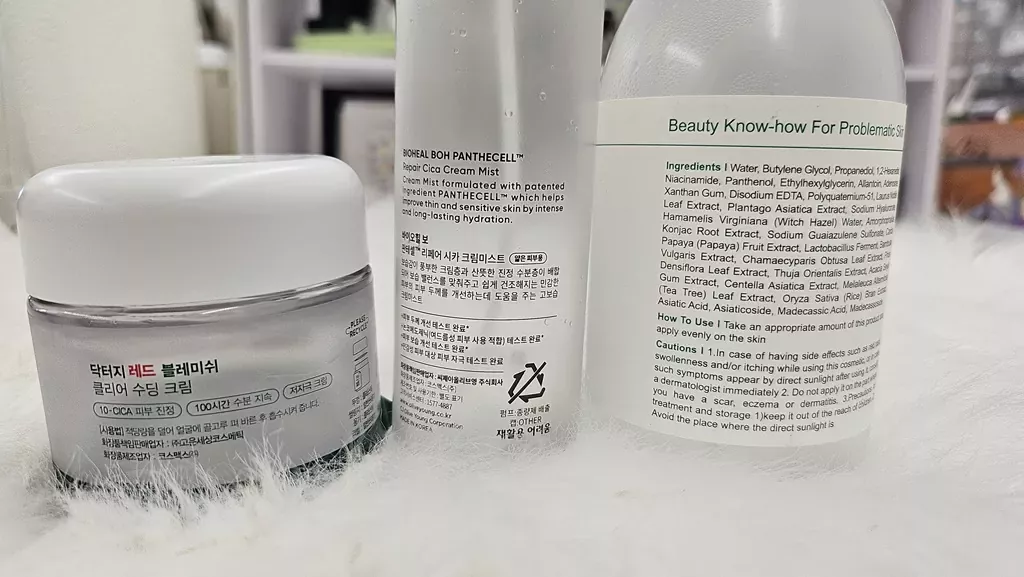
- Identify Safety Heroes: Check for Panthenol, Ceramides, and Madecassoside. These ingredients deliver on the Hypoallergenic Meaning Skincare promise by healing your skin at a cellular level.
- Verify the Botanical Base: If a product uses Cica water instead of purified water, make sure you aren’t sensitive to that specific plant. Check my deep dive on Centella Asiatica Korean Skincare for more on this.
- The “Gentle” Context: Always cross-reference your products with my guide on Gentle Meaning Korean Skincare to avoid hidden irritants that the “H-word” might ignore.
5. Final Thoughts: Be Your Own Formulation Critic
Accepting the reality of Hypoallergenic Meaning Skincare is a total game-changer. It shows a brand’s effort to be gentle, but your skin deserves a deeper look at the actual science. Stop trusting the “vibe” on the bottle and start trusting the ingredients inside.
In 2026, being an “informed beauty” means doing your own research rather than relying on a sticker. Have you ever had a “hypoallergenic” product totally fail you? Let’s vent in the comments below, besties!
Disclaimer: This guide is based on personal experience and K-beauty trends. For chronic skin conditions or severe reactions, always consult a board-certified dermatologist.