
If your face is currently throwing a red, stinging tantrum and your go-to calming moisturizers are making it worse, you are likely dealing with a full-blown skin barrier crisis. We have all been there, bestie: you overdid it with a trendy 20% Vitamin C serum or went a little too heavy-handed on a high-percentage retinoid, and suddenly your “glass skin” goals turned into an emergency skincare 911.
During my early years as a professional skincare technician, I made the amateur mistake of applying a generic 15% raw Centella extract toner onto a chemical burn from over-exfoliation. Within 48 hours, my skin trans-epidermal water loss spiked, and I developed severe contact dermatitis. That failure forced me to stop “shopping” blindly and start analyzing my skincare chemistry through a rigorous lens. The realization? Most commercial “Cica” products are clinically underdosed. When a label lists generic Centella Asiatica Extract, you are often paying a premium for expensive, diluted plant water.
To stop wasting money on empty promises, we need to transition from basic lifestyle shopping to a strict Centella active compounds audit.
1. The Problem: The Industry Illusion of Diluted “Cica Extracts”
When your stratum corneum is compromised, it triggers a structural paradox: your skin feels intensely tight and dehydrated on the inside, yet produces an oily sheen on the surface. In the K-Beauty framework, we call this “Subuji” (dehydrated oily skin).
Most mass-market creams rely on traditional physical maceration. This process steeps raw Centella Asiatica leaves in a solvent pool, resulting in a bulk extract that is often over 90% water or glycols. This diluted liquid lacks the molecular density to penetrate the lipid bilayer. Worse, unpurified botanical extracts retain plant impurities that can trigger further inflammation.
According to clinical data indexed in the National Library of Medicine (PubMed) Centella Research Database, the difference between raw botanical fluids and titrated extracts is significant in terms of anti-inflammatory efficacy and cellular repair pathways.
2. The Science: Why Executing a Centella Active Compounds Audit Is Essential
True premium K-Beauty doesn’t rely on raw liquids; it utilizes TECA (Titrated Extract of Centella Asiatica)—a purified, medical-grade powder that isolates the four primary active molecules. Executing a comprehensive Centella active compounds audit is the ultimate hack to finding your skincare soulmate because it shifts your approach from guesswork to data-backed chemistry.
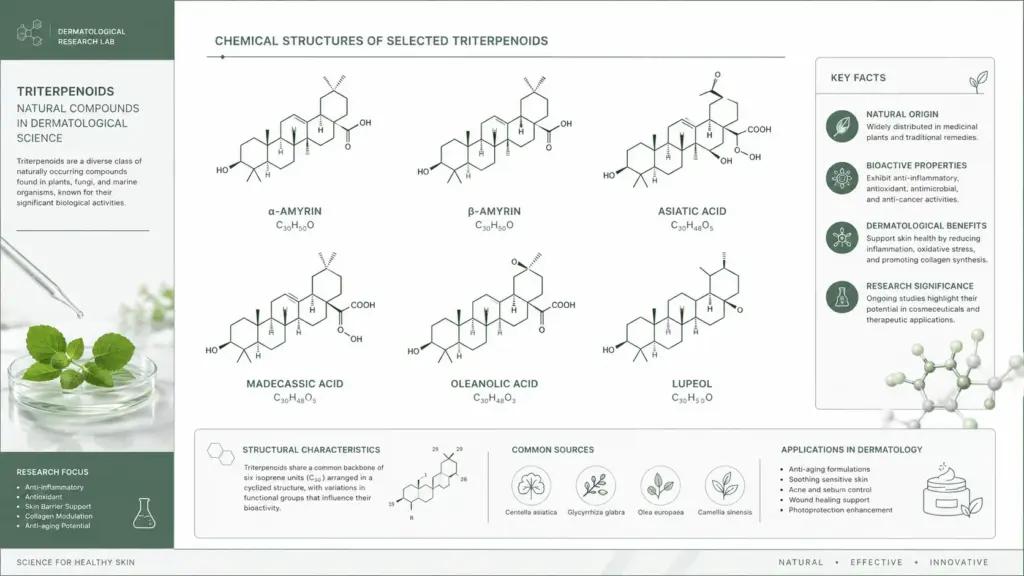
If you don’t know the specific biomarker ratio inside your bottle, you are essentially operating a complex system without a technical manual. Here is the clinical breakdown of the “Active Four” you need to spot during your evaluation:
Madecassoside: The Redness Reliever
This molecule inhibits NF-kB and JAK-STAT signaling to actively lower pro-inflammatory cytokines. It is your absolute best defense against acute redness, stinging sensations, and UV-induced thermal stress.
Asiaticoside: The Collagen Booster
This compound stimulates Collagen Type I and III mRNA expression via Smad pathway activation. It is the core molecular engine responsible for scar tissue remodeling, fading post-inflammatory hyperpigmentation (PIH), and restoring skin plumpness.
Asiatic Acid: The Lipid Synthesizer
By activating PPAR-gamma pathways, this lipid-soluble compound directly stimulates lipid biosynthesis within your skin. It specifically targets deep barrier cracks, intercellular lipid depletion, and that agonizing internal tightness.
Madecassic Acid: The Texture Smoother
This component promotes endothelial cell migration and rapid epithelial micro-proliferation. It specifically addresses rough, sandpaper-like skin texture, micro-flaking, and surface desquamation failures.
For optimal recovery, look for formulas that utilize a synergistic ratio (typically 40:30:30) of these triterpenoids. If your morning routine leaves your base looking flaky or clumpy under makeup, it means your product is likely missing the lipid-soluble components (Asiatic and Madecassic acids) needed to smooth out dead skin cells.
3. The Solution: Implementing a “Soothe & Shield” Protocol
Now that you have the scientific blueprint, you must execute a targeted recovery strategy. When the skin barrier is hyper-reactive, minimizing your ingredient exposure is vital. For a 7-to-14-day recovery cycle, strip your routine down to a three-step mechanical sequence designed to halt inflammation and rebuild the lipid matrix:
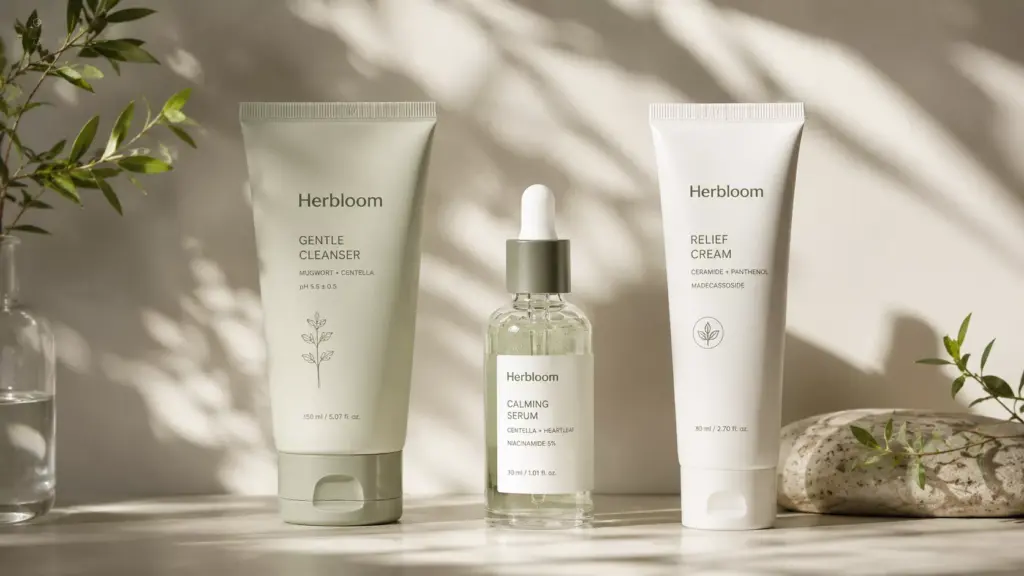
- Gentle Low-pH Cleanse: Preserve the acid mantle without stripping surface lipids.
- Damp Titrated Cica Serum: Apply onto damp skin to accelerate trans-epidermal delivery of water-soluble Madecassoside.
- Ceramide-Cica Barrier Cream: Lock in moisture with a formula rich in Asiatic and Madecassic acids to seal intercellular gaps.
If you are using potent anti-aging actives like Retinol to smooth out fine lines, incorporating this blueprint into your rest nights is non-negotiable. It acts as a protective molecular buffer, minimizing the irritation often associated with Vitamin A acceleration. To learn how to organize your evening calendar so your actives work with your barrier instead of destroying it, you can read my complete guide to K-Beauty Skin Cycling.
Final Thoughts: Treat Your Skin Like an Investment
Mastering the mechanics of a Centella active compounds audit was the defining turning point in my personal skin transformation. Your skin is not an enemy to be scrubbed into submission; it is a smart, living ecosystem that requires the right biological components to rebuild its first line of defense.
When you give your cells the exact molecular purity they crave, the oil slick vanishes, the redness subsides, and that coveted, translucent glass skin naturally surfaces. Stop falling for green marketing labels. Check your INCI lists for the specific triterpene isolates, give your barrier 28 days to cycle, and protect your investment with scientific precision.
Your future, filter-free face will low-key thank you for it.
What specific Cica products are you currently auditing in your routine? Let me know in the comments—let’s take a look at those ingredient labels together to see if they are delivering true clinical concentrations.
Medical Disclaimer
The information provided in this article, including the Centella active compounds audit methodology, is for educational, informational, and entertainment purposes only and should not be construed as professional medical advice, diagnosis, or treatment. Always seek the advice of your dermatologist, physician, or other qualified healthcare provider with any questions you may have regarding a medical skin condition or severe allergic reaction. Never disregard professional medical advice or delay in seeking it because of something you have read on this blog. Reliance on any information provided in this post is solely at your own risk.