
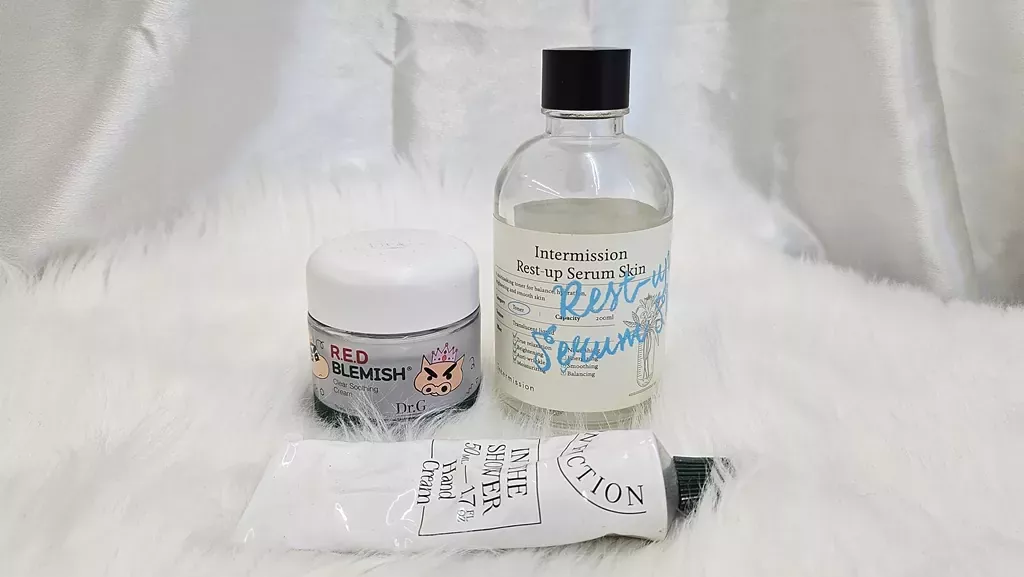
Gentle meaning korean skincare is a phrase many of us try to decode while staring at a shelf full of aesthetic pastel bottles. We’ve all been there: you’re scanning the aisles of Olive Young, and you see that magic word: “Gentle.” You think, “Perfect, my sensitive skin is going to love this.” But then, two days later, you’re dealing with random red patches or a stinging sensation. What gives?
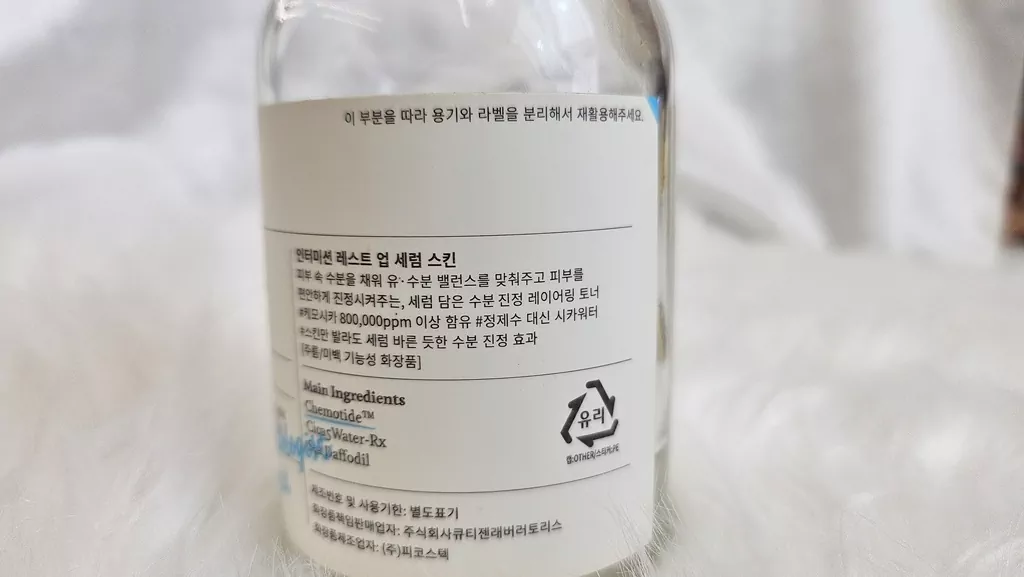
As someone who’s tried countless K-Beauty hauls to save my reactive skin, I’ve learned the hard way that terms like gentle meaning korean skincare brands push can be incredibly misleading. Often, “gentle” is just a vibe, not a medical rule. Understanding the true gentle meaning korean skincare labels imply is the first step to stopping the drama with your face.
1. The Problem: The “Gentle” Trap and Marketing Myths
The biggest drama happens when we realize that the word “gentle” isn’t strictly regulated by any medical authority. Unlike “SPF,” which requires heavy-duty testing, “gentle” is often just a descriptive term. If your barrier is already screaming, even a “mild” product can feel like fire because the gentle meaning korean skincare marketing uses doesn’t always account for specific irritants like essential oils or drying alcohols.
Many “gentle” products still use Lemon or Bergamot oils to create a “clean” scent. While they smell amazing, for us reactive girlies, these are instant trigger warnings for contact dermatitis. Don’t let a minimalist aesthetic fool you; the formula is what actually decides your skin’s fate.
2. The Explanation: Decoding the Real Gentle Meaning Korean Skincare Labels
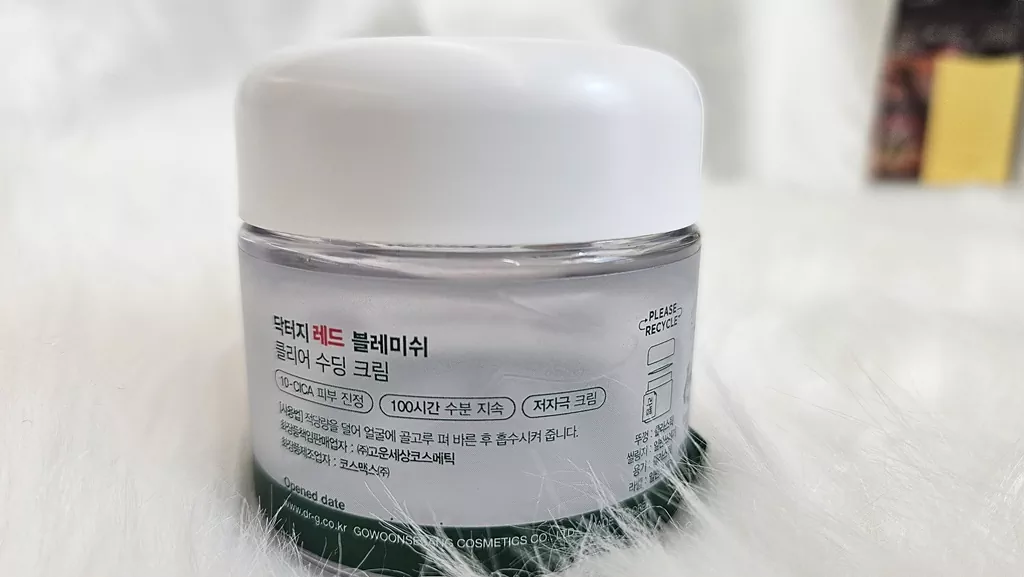
To help you audit your vanity, I’ve broken down the actual gentle meaning korean skincare brands usually hide behind. Many besties confuse “Gentle” with “Hypoallergenic.” While gentle is about the overall vibe, hypoallergenic actually means the product was formulated to minimize allergic reactions. Knowing the difference is a total game-changer for your barrier!
| Feature | The Marketing Claim | The “Bestie” Reality Check |
| Fragrance | “Fresh & Clean Scent” | Often a hidden irritant; look for “Fragrance-Free.” |
| Actives | “Mild Exfoliation” | Still contains acids (AHA/BHA); can thin your barrier. |
| Texture | “Cloud-like/Milk Foam” | Feels soft, but check the surfactants (cleansing agents). |
| Preservatives | “Clean & Green” | Natural preservatives can sometimes be more sensitizing. |
The table above shows that the gentle meaning korean skincare vibe is often more about the sensory experience—how it feels or smells—rather than how it interacts with your unique skin barrier.
To ensure your routine is actually safe, you need to look for specific “Barrier Besties” like Ceramides. For a deeper dive into safe ingredients, check out my guide on Centella Asiatica Korean Skincare, which is the undisputed GOAT for calming redness. You should also verify your starting step with my 5 Major Red Flags When Choosing a Gentle K Beauty Cleanser to make sure you aren’t stripping your skin. According to data from the National Library of Medicine, fragrance remains the #1 cause of cosmetic allergic reactions, proving that “gentle” scents are rarely gentle for the skin.
3. My Experience: When “Mild” Went Totally Wrong
Finding the real gentle meaning korean skincare actually means for your specific face is a journey. I once bought a “hypoallergenic” cream that felt like a dream—until my cheeks turned into a tomato. It turned out the “natural fragrance” was basically a cocktail of citrus oils that my skin hated.
That experience taught me that a true gentle meaning korean skincare routine must prioritize pH balance and fragrance-free formulas. Now, I always layer my soothing products using the Skin Flooding Routine to ensure maximum hydration without friction. By following proper Post-Cleansing Habits, I’ve managed to turn my reactive skin into a resilient, glass-skin canvas.
4. The Solution: How to Slay the Gentle Meaning Korean Skincare Game
Mastering the gentle meaning korean skincare game is all about becoming your own skin advocate. You don’t need a 10-step routine; you just need a smart one.
- Use the Right Tools: Pro-Tip! Use apps like INCIDecoder or EWG Skincarisma to double-check the claims. They break down every single ingredient so you can spot hidden irritants in seconds.
- Hunt for “Fragrance-Free”: Always go for “Fragrance-Free” over “Unscented” to avoid masking scents that can cause random flares.
- The 48-Hour Patch Test: I know, waiting is the worst. But testing a small amount behind your ear will save you so much heartbreak and money.
5. FAQ: Mastering the “Mild” Vibe
Q: Can a gentle product cause a breakout?
A: Absolutely! Even the most gentle meaning korean skincare formula can have an ingredient your specific skin hates. Always patch test first, bestie!
Q: Is “natural” always more gentle?
A: Not necessarily. Many natural extracts can be quite potent. Understanding the true depth of gentle meaning korean skincare means looking for science-backed soothing agents like Heartleaf or Mugwort over just “natural” labels.
6. Conclusion: Be Your Own Skin Advocate
K-Beauty is a total playground, but you’ve gotta know which rides are safe. Next time you see the word “Gentle,” remember that it isn’t a legal promise—it’s an invitation to check the ingredients.
By understanding the true depth of gentle meaning korean skincare, you are investing in long-term skin health. Trust your gut, read the labels, and stay glowy. You’ve got this!
Disclaimer: This guide is based on personal research and K-beauty trends. If you have chronic skin conditions like rosacea or severe dermatitis, please consult a board-certified dermatologist for a personalized medical routine.