
Understanding the true fragrance free meaning korean skincare is essential before you trust another “unscented” bottle on the shelf. We’ve all been there: you buy a product expecting it to smell like fresh air, only to open it and realize it smells slightly… medicinal? Or like a faint whiff of a chemistry lab?
In the high-stakes world of 2026 Korean skincare, this label is one of the most searched terms, yet it’s also the most misunderstood. If you’re a 20-something trying to heal a compromised barrier or deal with adult acne, decoding this scent science is your secret weapon. Let’s dive into why “smelling like nothing” isn’t always the goal for a healthy skin barrier.
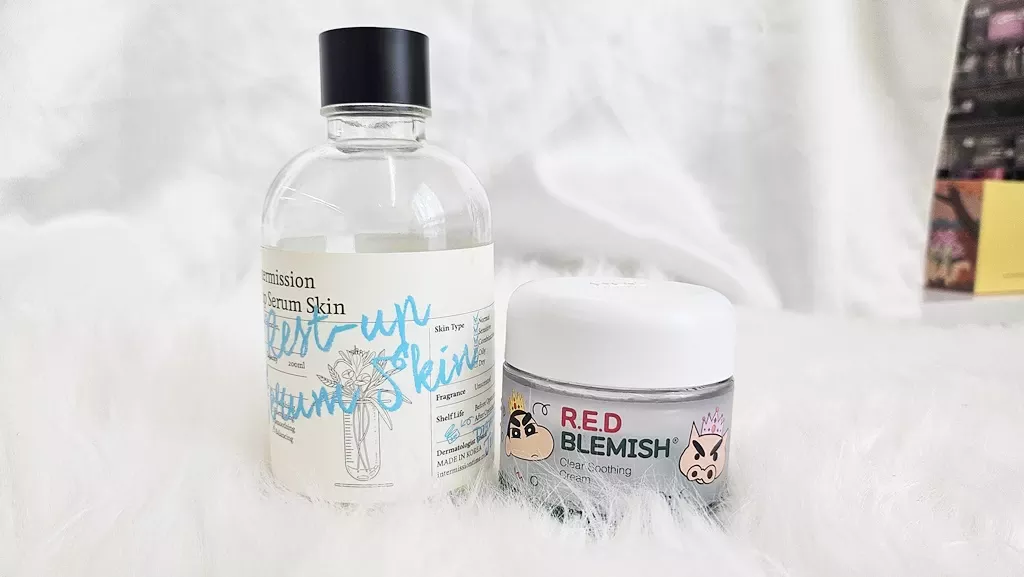
1. The Science: Fragrance-Free vs. Unscented
Here is the tea that most marketing departments won’t tell you: Fragrance-free does NOT mean scent-free.
- Fragrance-Free: This means the manufacturer did not add any extra chemicals specifically to make the product smell like roses or vanilla. However, the raw ingredients—like fermented extracts or fatty acids—have their own natural “raw scent”.
- Unscented: This is actually the one you should be careful with. “Unscented” often means the product does contain masking fragrances to hide the naturally unpleasant smell of the raw ingredients.
If your skin is ultra-sensitive, you actually want that slightly clinical, raw smell. It’s the smell of purity.
Understanding the difference between hypoallergenic skincare and fragrance-free labels is the first step toward an irritation-free routine.“
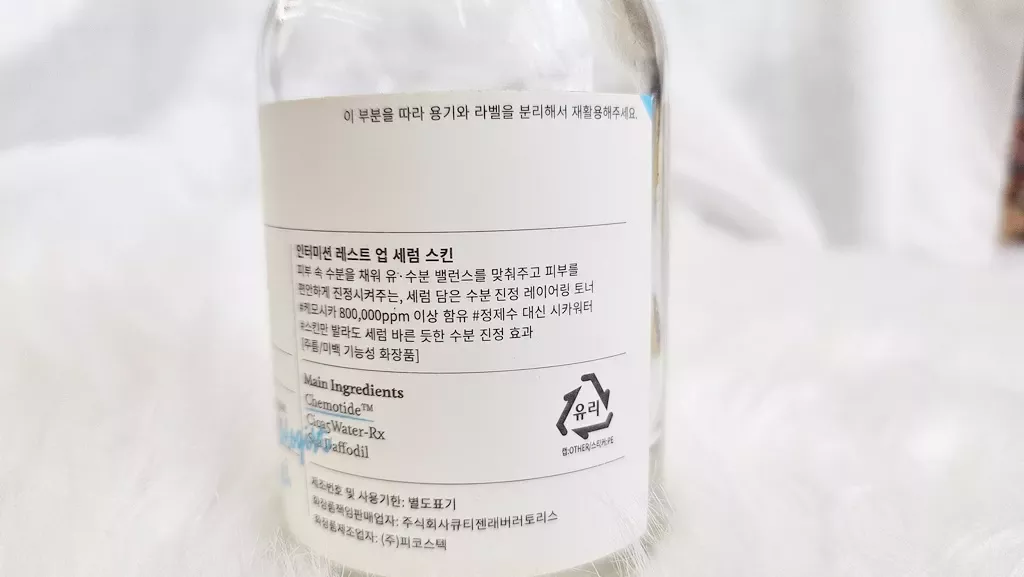
2. Why Your Barrier Hates “Parfum”
Fragrance is the #1 cause of contact dermatitis in skincare. While it makes the “self-care” experience feel luxury, those tiny aromatic molecules can be microscopic irritants that poke holes in your skin barrier over time.
In my experience, especially when using active ingredients like Retinol or Vitamin C, adding a fragranced moisturizer on top is a recipe for disaster.When your barrier is compromised, following a simplified skincare routine structure becomes essential to avoid further inflammation. That’s why K-Beauty brands like P.CALM and Dr.G have moved toward simplifying their formulations. They prioritize the “Functional Scent” of ingredients like Cica or Tea Tree over synthetic perfumes.
3. Deciphering the “Essential Oil” Trap
Be a smart critic. Sometimes a brand says “No Synthetic Fragrance” but loads the bottle with Limonene, Linalool, or Lavender Oil.
- The Gen Z Guide: These are natural components of essential oils. While they smell divine, they can be just as irritating as synthetic perfumes for reactive skin types.
- The 2026 Trend: We are seeing a massive shift toward “True Fragrance-Free” where even essential oils are ditched in favor of pure, calming extracts.
4. How to Shop Like a Pro in 2026
When you see “Fragrance-Free” on a K-Beauty label, do these three things:
- Check the End of the List: Fragrances are usually listed at the very bottom. Look for “Fragrance,” “Parfum,” or “Geraniol.”
- Trust Your Nose: If a “fragrance-free” product smells like a bouquet of flowers, it’s probably using aromatic plant extracts that might still trigger sensitivity.
- Embrace the “Raw” Smell: If your cream smells a bit like oatmeal or plain water, celebrate! Your barrier is safe.
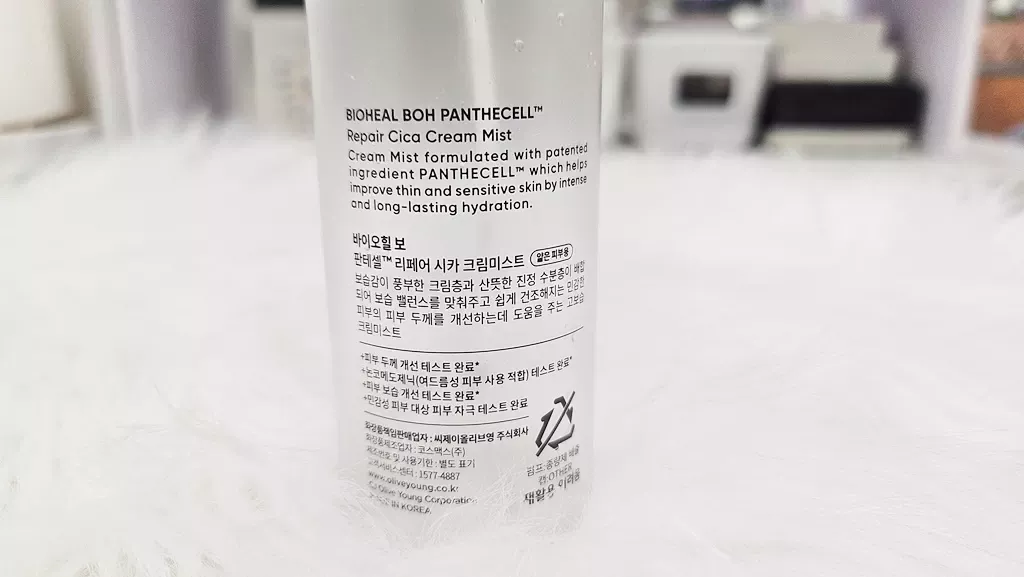
Final Thoughts: Luxury is a Healthy Barrier, Not a Scent
The era of heavily perfumed skincare is fading. Choosing a product based on its fragrance free meaning korean skincare is a formulation choice that says, “We care more about your skin health than your nose.”
Are you team “Smell like a Garden” or team “Smell like Science”? Let’s settle this in the comments!