
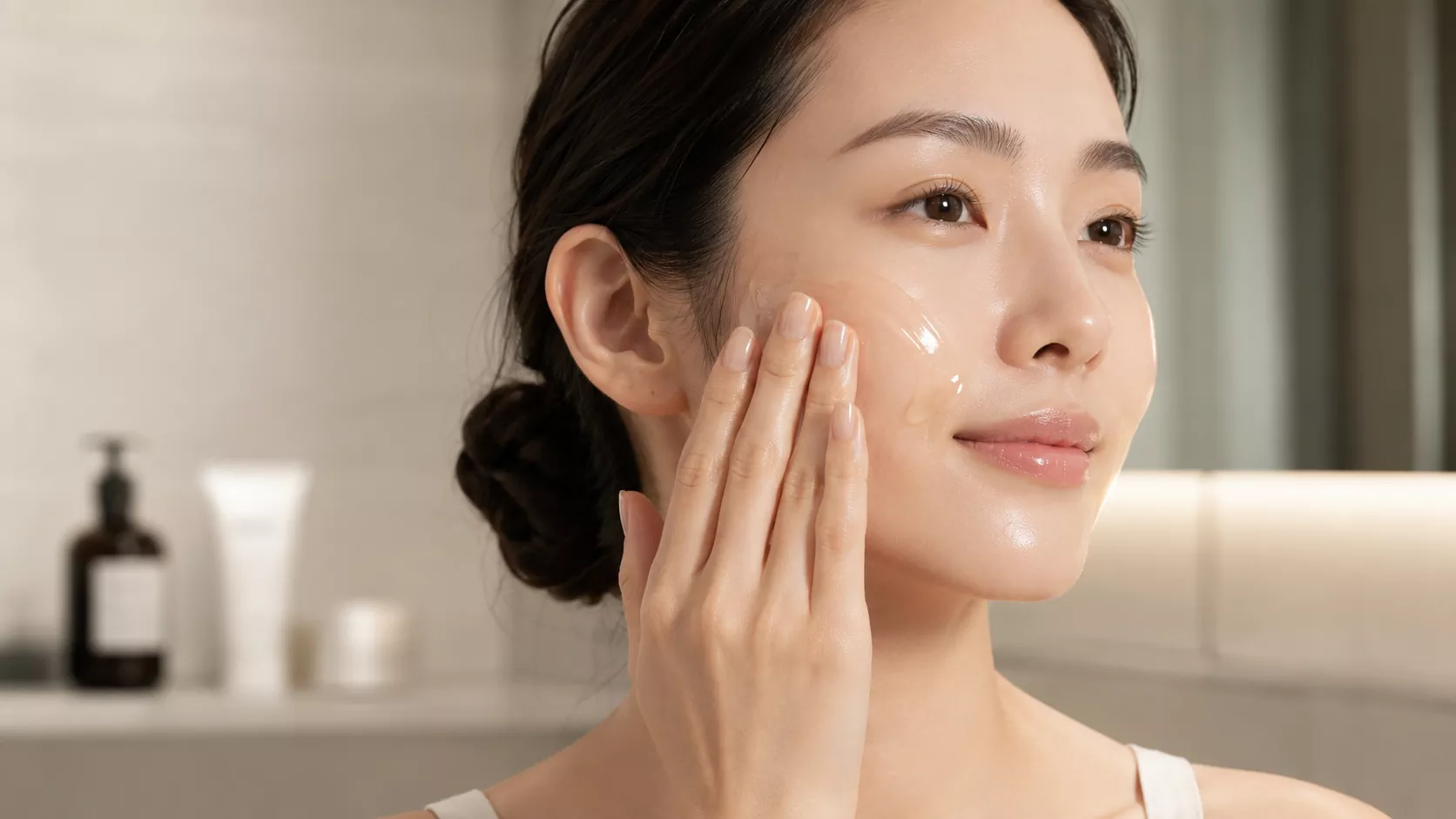
Have you ever wondered why your skin feels congested, texturized, or strangely dull, even after a long and thorough evening shower? You might be investing in premium active serums and deeply hydrating barrier creams, yet still waking up to stubborn clogged pores and those tiny, unexplainable skin bumps that ruin your morning makeup application.
The missing link isn’t your treatment step—it is how you initiate your routine. While achieving that coveted “glass skin” radiance is heavily rooted in layering deep moisture, wearing long-wearing cosmetics, sweat, urban pollution, and daily SPF creates a stubborn, hydrophobic layer on the epidermis. If you are still relying on a single water-based foam wash, you are essentially trapping impurities beneath the surface, preventing your skin from ever truly resetting. This is why understanding the core principles of a proper K-Beauty Double Cleansing Guide is essential for anyone serious about clear skin.
1. The Problem: Why a Single Foam Wash Triggers the “Clogged Pore” Vicious Cycle
For the longest time, many of us believed that a quick, lathered scrub with a standard foaming face wash until the skin felt “squeaky clean” was the golden standard. However, this outdated approach is precisely what causes an incomplete wash cycle. Most modern foundations, silicone-based primers, and especially mineral sunscreens are formulated to adhere firmly to the skin. They are inherently oil-soluble and designed to resist water.
When you attempt to wash away these oil-based matrices with a purely water-based cleanser, the formulas cannot properly bind to one another. Instead of breaking down and lifting the grime, the foam simply slides over the oil layer, leaving behind a microscopic film of stubborn residue. Over time, this buildup suffocates the pores, leading to chronic closed comedones, uneven surface texture, and a dull complexion caused by environmental oxidants left on the skin overnight.
Furthermore, aggressively scrubbing with a harsh, high-pH foam to compensate for this lack of cleansing power strips the skin’s natural lipids. This triggers a compensatory overproduction of sebum, leaving your skin both surface-dehydrated and highly prone to breakouts.
2. The Science: A Practical K-Beauty Double Cleansing Guide to Finding Your Cleanser Formula
The true secret behind why Korean skincare methodologies yield such remarkably clear, breakout-free skin is rooted in a fundamental rule of chemistry: like dissolves like. To effectively lift lipid-soluble impurities without dismantling the delicate moisture barrier, you must first introduce a compatible, nutrient-rich oil phase.
An expertly formulated cleansing oil or emollient balm works by safely dissolving surplus sebum, stubborn makeup polymers, and heavy UV filters. It liquefies the debris within the pore lining without stripping away the essential fatty acids and ceramides that keep your skin barrier resilient.
When analyzing ingredient lists to find your perfect match, prioritize non-comedogenic plant-derived lipids such as Jojoba Seed Oil, Sunflower Seed Oil, or Grapeseed Oil. These botanical oils closely mimic human sebum, allowing them to gently dislodge hardened oil plugs within the pores without triggering acne. Avoid heavy, unrefined mineral oils if your skin is historically prone to tiny whiteheads or congestion.
According to peer-reviewed clinical research published by the National Center for Biotechnology Information (NCBI), maintaining the skin’s natural acidic surface pH—typically between 4.5 and 5.5—is essential for preserving the epidermal lipid barrier, optimizing pH-dependent enzymes involved in ceramide production, and supporting a balanced skin microbiome. When the skin surface becomes too alkaline after cleansing, barrier recovery slows, transepidermal water loss (TEWL) increases, and beneficial microorganisms become less stable.

If your skin feels tight, dry, or “squeaky clean” immediately after washing, it is often a clinical sign that your cleanser is disrupting the skin barrier rather than protecting it. In most cases, switching to a low-pH, barrier-supportive cleanser and avoiding overly aggressive cleansing helps restore the skin’s natural acid mantle and improve long-term barrier health.
3. The Solution: Mastering the Two-Step Evening Ritual
To fundamentally transform your skin texture and maximize the absorption of your subsequent skincare steps, it is time to put this K-Beauty Double Cleansing Guide into real action. Implementing this dedicated two-step evening ritual ensures complete purification while respecting your skin’s natural moisture ecosystem.
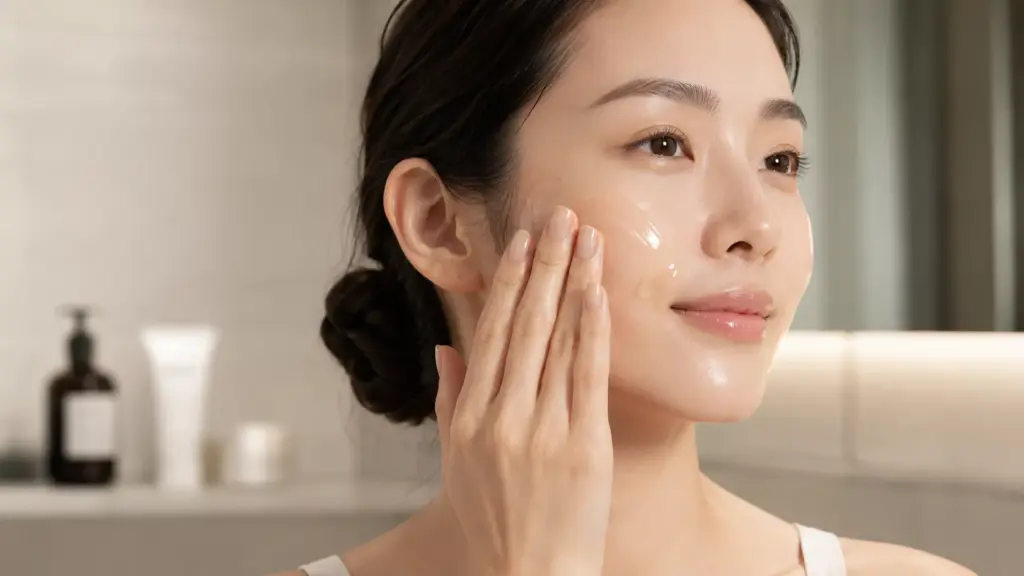
Step 1: The Oil Phase (The Deep Dissolve)
Begin with completely dry hands and a completely dry face. Dispense an ample amount of your chosen cleansing oil or balm and gently massage it onto your skin using soft, upward circular motions for roughly 60 seconds. Dedicate extra attention to areas prone to congestion, such as the nose, T-zone, and jawline. Next, apply a small amount of lukewarm water to your fingertips. This triggers the emulsification process, transforming the clear oil into a milky, lightweight fluid. This step is absolutely crucial; it allows the oil-bound debris to mix seamlessly with water, ensuring it rinses away without leaving a greasy film.
Step 2: The Water Phase (The Final Purify)
Follow up immediately with a low-pH, water-based gel or gentle foam cleanser on your damp skin. Keep your second-step lather under 30 to 45 seconds; over-cleansing at this stage can inadvertently wash away your skin’s freshly protected hydration balance. This second step targets and removes any remaining water-soluble residue, such as sweat, environmental dust, and the emulsified oil mixture. It guarantees that your pores are thoroughly purified, leaving the skin plump, soft, and balanced.
Important Caution for Sensitive Skin: While this double cleansing method is highly effective for removing impurities, individuals with extremely compromised, broken, or hypersensitive skin barriers should proceed with caution. If your skin is currently experiencing severe redness or flaring, restrict this intensive breakdown process exclusively to days when you wear water-resistant makeup or heavy SPF, and consult your practitioner if irritation persists.
4. Pro-Tips: Why Your Targeted Serums Perform Better on Purified Skin
Once you stop rushing the cleansing process, the structural improvement in your skin texture becomes undeniable. When your pore lining is genuinely clear of old foundations and micro-particles, your premium skincare investments—such as hyaluronic acid serums, niacinamide, or barrier repair complexes—can actually penetrate the epidermis effectively instead of simply sitting on top of a layer of dead skin cells and trapped debris.
This optimized absorption is also why modern minimalist routines have become so powerful. For a deeper understanding of how to streamline your product layers while maximizing their potency on a freshly purified canvas, explore our comprehensive skinimalism guide. By pairing a thorough cleanse with targeted, high-quality essentials, you achieve better results with fewer steps.
Keep in mind that consistency is the cornerstone of a mindful skincare approach. Avoid using hot water during your rinses, as excessive heat actively damages capillaries and accelerates moisture depletion. Lukewarm water remains your absolute best tool for maintaining a calm, resilient, and naturally glowing skin barrier.
5. Conclusion: A Flawless Canvas for Your Skin Health
Transitioning to a structured double cleanse is one of the most proactive, protective choices you can make for your skin. By clearing the path thoroughly each night, you are doing much more than merely removing cosmetics—you are allowing your skin barrier to breathe, oxygenate, and efficiently repair itself through its natural nocturnal regeneration cycle.
Say goodbye to persistent texture struggles and embrace a balanced, clear, and authentically healthy complexion.
Disclaimer: This article is for informational and educational purposes only and does not constitute professional medical advice, diagnosis, or treatment. Always consult with a board-certified dermatologist for personalized advice regarding chronic skin concerns.