
We’ve all been there. You try a new exfoliating acid, or maybe you just spend a long weekend out in the wind and sun, and suddenly your skin is screaming. It’s tight, it’s red, every single moisturizer stings upon application, and your makeup is flaking off by 2 PM. Your skin barrier is officially compromised.
When your skin goes into crisis mode, the internet usually throws two massive buzzwords at you: Centella Asiatica (Cica) and Panthenol (Vitamin B5).
But here’s the real issue: most skincare blogs just group them together under the generic umbrella of “soothing ingredients.” They tell you both are good, leaving you guessing which one to actually add to your cart. Relying on vague recommendations can lead to buying the wrong product, clogging your pores, or slowing down your skin’s healing process.
Having analyzed cosmetic formulations and tested countless barrier creams on skin that was actively peeling from retinol burn, I can tell you that these two powerhouses operate on completely different biological wavelengths. Let’s break down the deeper science of Centella vs Panthenol so you can figure out exactly what your unique skin needs right now.
1. The Science of the Struggle: What Happens When Your Barrier Breaks?
Before choosing an ingredient, we need to look at the root problem. Your skin barrier (the stratum corneum) works like a brick wall. The cells are the bricks, and lipids (ceramides, cholesterol, and fatty acids) are the mortar.
When this wall cracks due to over-cleansing, harsh actives, or environmental stress, two major problems occur:
- Transepidermal Water Loss (TEWL): Moisture evaporates out of your skin rapidly, causing deep dehydration.
- Micro-Inflammation Cascade: External irritants slip inside the cracks, triggering an immune response that manifests as persistent redness, burning, and acne breakouts.
To fix this, you either need an ingredient that calms the immune fire alarm, or an ingredient that aggressively glues the physical bricks back together. If you are struggling with a raw, burning sensation because you went a little too heavy-handed on your anti-aging routine, you might want to check out our detailed guide on How to Safely Layer Retinol Without Destroying Your Skin Barrier to rescue your skin from future product flare-ups.
2. Centella Asiatica: The Cellular Fire Extinguisher
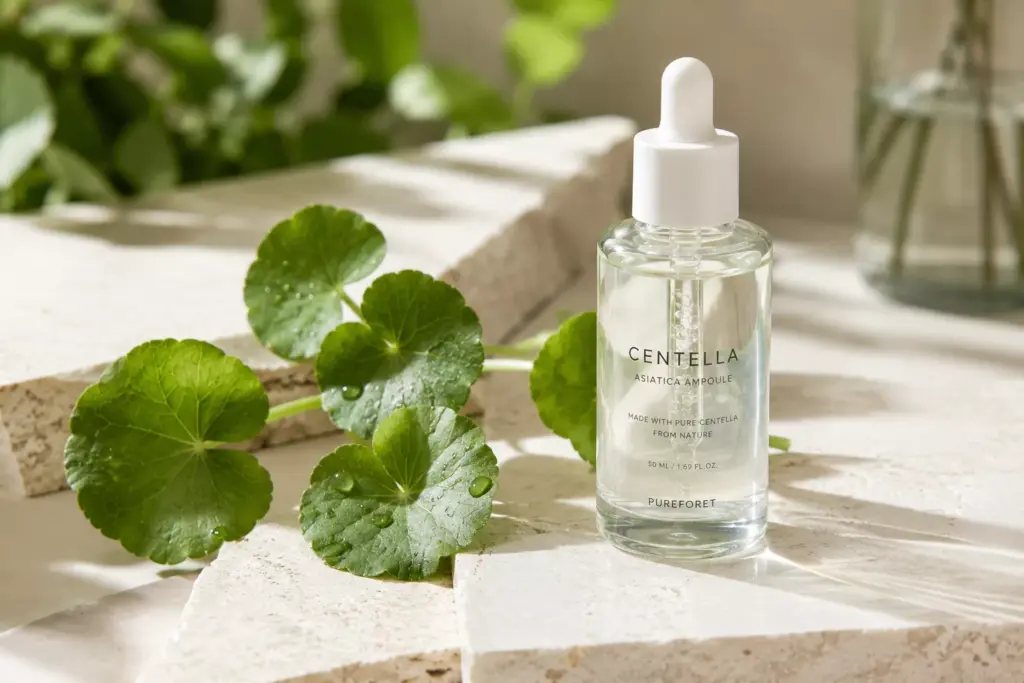
Centella Asiatica, affectionately known as Cica or Tiger Grass, is a botanical extract packed with active compounds called terpenoids—specifically asiaticoside, madecassoside, asiatic acid, and madecassic acid.
If your skin barrier problem is defined by heat, throbbing, visible redness, and active cystic breakouts, Centella is your savior.
How It Solves the Problem:
Centella doesn’t just sit on top of the skin; it suppresses the production of pro-inflammatory cytokines (the chemical signals that tell your skin to turn red and swell). Furthermore, it stimulates type I collagen synthesis. When I experienced a severe chemical burn from an improperly formulated peeling solution, Centella was the only ingredient that stopped the intense vascular throbbing within minutes. It cools the skin’s internal temperature and accelerates micro-circulation to speed up tissue regeneration.
- Best For: Angry red skin, hormonal acne inflammation, post-inflammatory hyperpigmentation (PIH), and rosacea flare-ups.
- The Texture Experience: Usually formulated into lightweight serums, ampoules, or watery gels.
3. Panthenol: The Architectural Moisture Lock
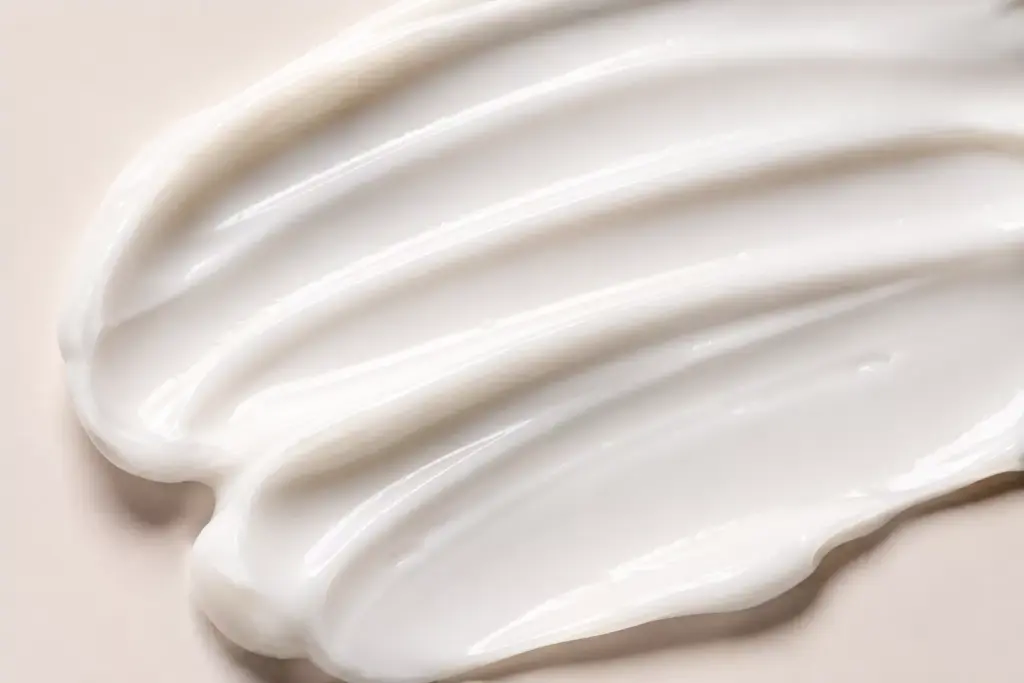
Panthenol is a chiral analog of vitamin B5 (pantothenic acid). Unlike Centella, which is a complex plant extract, Panthenol is a pure, bioavailable humectant and emollient.
If your skin barrier problem is defined by extreme flakiness, rough texture, deep dehydration lines, and a tight ‘parched’ sensation, Panthenol is the correct tool.
How It Solves the Problem:
Panthenol is a molecular shapeshifter. Because of its low molecular weight, it easily penetrates the outer layers of the skin. Once inside, it converts into pantothenic acid, a core component of Coenzyme A. This enzyme is crucial for telling your skin cells to produce more lipids (the mortar between your cellular bricks).
When your skin lipids are restored, TEWL drops drastically. In my routine, whenever winter air makes my skin flake around my nose and mouth, layering a high-percentage (5%+) Panthenol cream works overnight to physically knit those dry flakes back into a smooth, plump surface. According to an extensive clinical study on the National Center for Biotechnology Information (NCBI), topical applications of panthenol significantly improve stratum corneum hydration and reduce transepidermal water loss while reinforcing skin elasticity.
- Best For: Flaky skin, deep dehydration, rough texture, and dry patches caused by retinoid adaptation (retinization).
- The Texture Experience: Typically found in richer, comforting balms, lotions, and heavy-duty barrier creams.
4. Direct Comparison: Centella vs Panthenol
To maximize your understanding of these two ingredients, let’s look at how they perform side-by-side across critical skin metrics:
| Attribute | Centella Asiatica (Cica) | Panthenol (Vitamin B5) |
| Primary Mechanism | Suppresses inflammatory pathways | Simulates lipid synthesis & seals moisture |
| Target Symptom | Angry redness, stinging, heat | Flakiness, cracking, deep tightness |
| Acne Compatibility | Excellent (calms breakouts, prevents scars) | Good (but requires checking the base formula carrier) |
| Molecular Role | Antioxidant & Collagen Booster | Humectant & Structural Emollient |
| Ideal Routine Slot | First-step soothing serum or ampoule | Final-step locking cream or recovery balm |
A Formulator’s Secret: Look at the ingredient list formatting. For Centella to be highly effective, look for isolated compounds like Madecassoside in the top half of the list. For Panthenol, a concentration of 5% is the clinical sweet spot for actual barrier repair—anything less than 1% acts purely as a basic humectant.
5. The Hidden Catch: Potential Side Effects & What to Avoid
Even the most celebrated skin savers can backfire if used incorrectly. To be a truly smart skincare consumer, you must understand the limitations of both ingredients.
Centella Asiatica: The Allergy Wildcard
Because Centella is a botanical, plant-derived extract, it carries a minor risk of contact dermatitis. If you have hyper-reactive skin or known plant allergies, pure Cica ampoules can occasionally cause micro-hives or itching. Always patch-test a new Centella serum on your inner arm for 24 hours before slathering it on an already compromised face.
Panthenol: The Pore-Clogging Carrier Trap
Panthenol itself is non-comedogenic (it won’t clog pores). However, because it is lipid-generating and highly emollient, formulators almost always put it into thick, heavy cream bases containing shea butter, squalane, or isopropyl palmitate to trap moisture. If you have active, oily, acne-prone skin, a heavy 5% Panthenol balm might heal your barrier but trigger a wave of closed comedones (whiteheads). Look for lightweight gel-creams that feature Panthenol if you are prone to oiliness.
6. The Ultimate Barrier Rehab Routine (AM/PM Plan)
If your skin is currently in a state of emergency, here is how to strategically layer both ingredients without overwhelming your pores:
- AM Routine (The Protective Shield):
- Cleanse with lukewarm water only (skip the foaming cleanser).
- Apply a generous layer of a watery Centella Asiatica serum to shut down redness and morning puffiness.
- Follow with a lightweight, oil-free hyaluronic acid moisturizer.
- Apply a non-nano zinc oxide sunscreen (Zinc also synergizes beautifully with Centella to calm skin).
- PM Routine (The Overnight Structural Repair):
- Use a non-stripping, milky cleanser.
- Apply your Centella serum to damp skin.
- Lock everything in with a nickel-sized amount of a 5% Panthenol barrier balm. Let it act as an overnight recovery mask while your cells undergo their natural circadian repair cycle.
7. The Verdict: How to Choose for Your 2030 Skin Goals
You don’t have to guess blindly. Let’s look at your specific real-world skin scenarios to make the final call:
- Scenario A: You are breaking out from stress, your skin feels hot, and you have red marks left behind by old acne.
- The Winner: Centella Asiatica. It will calm the acne-induced inflammation without adding heavy weight to your pores.
- Scenario B: You overdid it with your 0.5% Retinol or Glycolic Acid night cream. Your skin isn’t necessarily broken out, but it feels like sandpaper, flakes under your tint, and feels painfully tight.
- The Winner: Panthenol. You need the structural lipid support to stop the peeling and restore elasticity.
Can You Pair Both?
Absolutely. In fact, if your skin is completely compromised, pairing a lightweight Centella serum to calm the immediate redness, followed by a rich 5% Panthenol balm to seal in the moisture, creates the ultimate synergistic recovery routine.
Stop treating your barrier like a generalized issue. Listen to what your skin is telling you—whether it needs a fire extinguisher (Centella) or a brick-and-mortar repair team (Panthenol)—and invest in the ingredient that solves your specific cellular crisis.
Medical Disclaimer (Please Read)
The information provided in this article, including text, graphics, and suggestions, is for educational and informational purposes only. It is not intended to be a substitute for professional medical advice, diagnosis, or treatment. Always seek the advice of your dermatologist, physician, or other qualified healthcare provider with any questions you may have regarding a medical skin condition or before starting a new skincare regimen. Never disregard professional medical advice or delay in seeking it because of something you have read on this blog.