

Have you ever walked out into the blistering summer humidity, only to feel your face instantly turn into an oily, inflamed mess? You’re not alone. Every summer, so many of us go through the exact same nightmare: high surface heat, clogged pores, and that frustrating “dehydrated yet shiny” look.
When severe thermal stress hits, your skin’s natural moisture barrier takes a beating. In this guide, we’ll break down the exact mechanism of heat-induced skin damage and walk through a dermatologist-inspired K-Beauty framework to restore your skin barrier fast.
1. The Problem: How Extreme Thermal Stress Ruins Your Skin Barrier
Most people associate summer skin issues purely with UV radiation, but thermal damage (heat stress) is an equally aggressive, often overlooked culprit.
Thermal Barrier Breakdown & Lipid Loss
When ambient temperatures rise, your facial skin temperature spikes above its healthy baseline (31°C-33°C). This thermal elevation triggers an inflammatory response that accelerates trans-epidermal water loss (TEWL). As water evaporates at a rapid pace, the essential lipids (ceramides, cholesterol, and fatty acids) holding your skin cells together break down.
The “Dehydrated Oily” Trap
To compensate for sudden moisture loss, your sebaceous glands go into hyperdrive. The result? Excessive sebum production on top of a micro-damaged, dehydrated epidermal layer—classic dehydrated oily skin.
Personal Experience Note: During peak heat waves, I used to reach for harsh foaming cleansers to strip away the oil. That was a huge mistake. Stripping the oil only weakened my skin barrier further, resulting in stinging, redness, and even worse breakouts within 24 hours.
2. Understanding Summer Skincare for Heat-Damaged Skin
To effectively repair your skin, you must understand what happens beneath the surface during thermal exposure versus standard sun damage.
Key Differences: UV Damage vs. Thermal Heat Damage
- Primary Cause: UV radiation stems from UVA/UVB rays, whereas thermal damage is caused by high heat and humidity.
- Immediate Effect: UV rays trigger sunburns and DNA stress, while heat spikes skin temperature and disrupts surface lipids.
- Skin Barrier Impact: UV breaks down collagen long-term, while thermal heat accelerates immediate water loss (TEWL).
- Sebum Response: UV causes moderate oil oxidation, whereas heat triggers immediate sebum hyper-secretion.
- K-Beauty Focus: UV requires broad-spectrum sunscreen, while heat damage requires soothing actives like Centella, Panthenol, and Ceramides.
3. The Solution: A 3-Step K-Beauty Framework for Summer Skincare for Heat-Damaged Skin
Here is the exact, simplified K-Beauty protocol designed to lower skin temperature, soothe acute inflammation, and rebuild compromised lipids without clogging pores.
Step 1: Gentle Cooling & Non-Stripping Cleansers
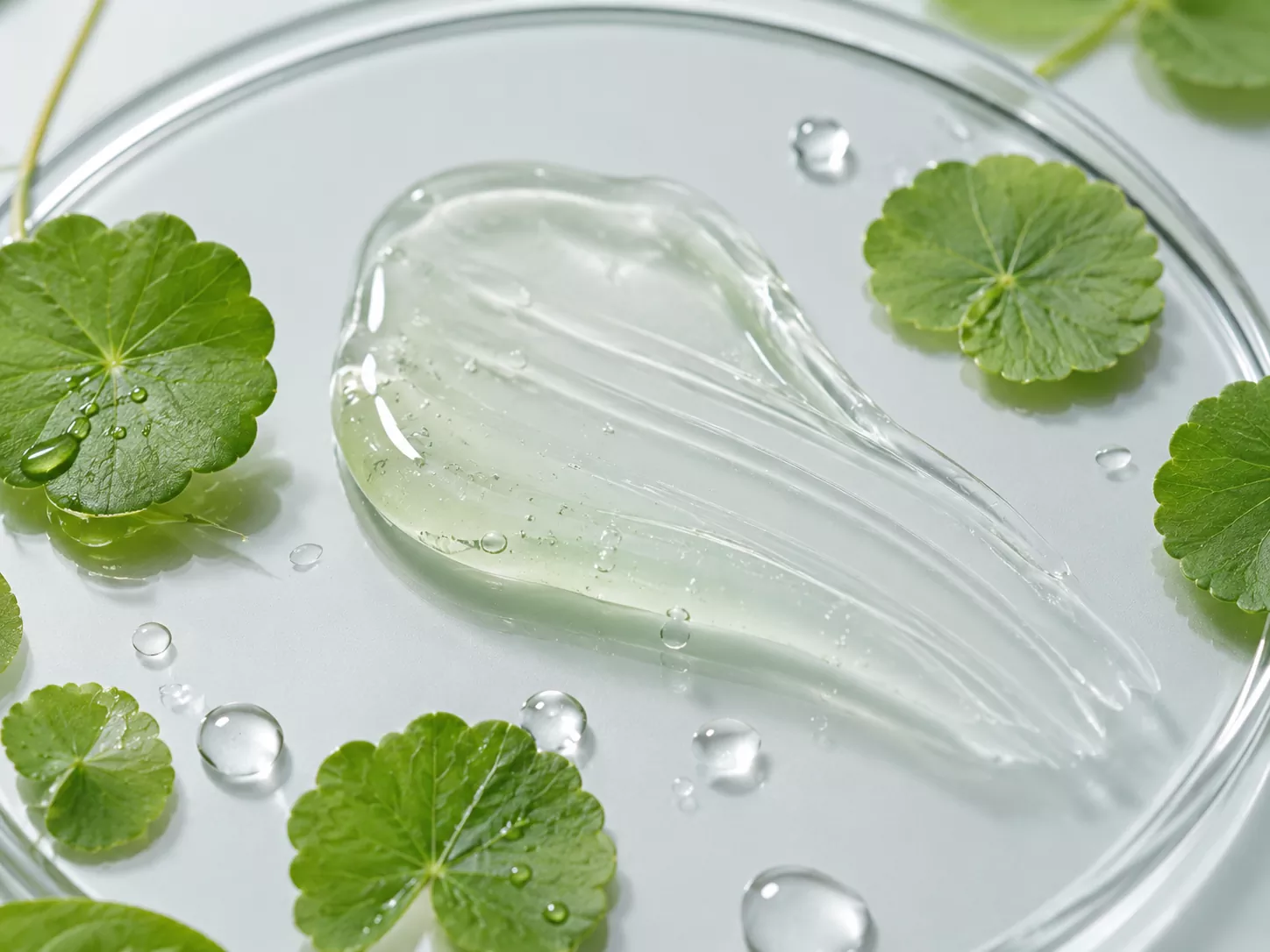
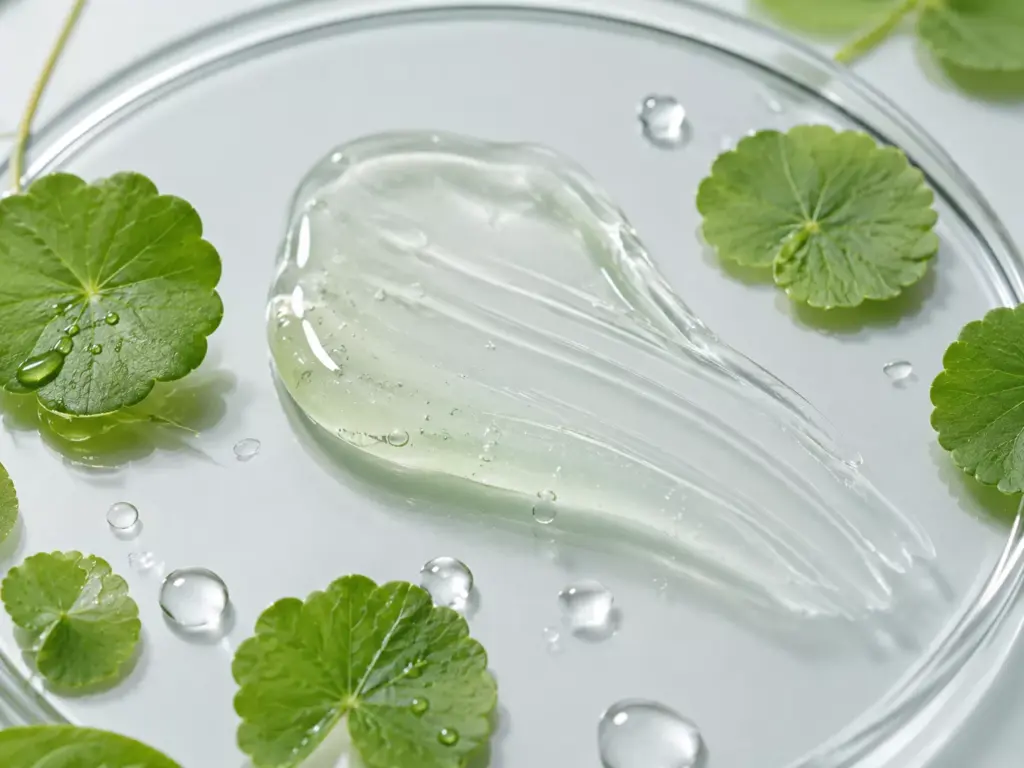
Forget icy water shocks or abrasive scrubs, which cause micro-tears in reactive skin. Instead, switch to a low-pH gel or light cleanser enriched with calming botanicals like Centella Asiatica and Panthenol (Pro-Vitamin B5). If you struggle with heat-induced oil production while your skin feels tight underneath, mastering how to fix dehydrated oily skin is essential before adding heavy treatments.
Step 2: Lightweight Lipid & Hydration Layering
Heavy winter emollients will trap ambient heat and sweat. Replace them with water-gel hydrators that absorb rapidly.
- Fermented Actives & Beta-Glucan: Deliver deep hydration to the dermis without suffocating pores.
- Phytoceramides: Help lock in moisture while repairing structural barrier damage. According to clinical research published by the National Center for Biotechnology Information (NCBI), natural oil-derived phytoceramides with multi-chain fatty acids are significantly more effective at accelerating skin barrier recovery and boosting stratum corneum hydration than conventional single-chain ceramides.
Step 3: Minimalist Nighttime Thermal Recovery
Streamline your PM routine down to the essentials to let your skin breathe and repair overnight:
- Calm: Apply a Centella- or Propolis-infused hydrating toner.
- Repair: Follow with a lightweight Ceramide gel cream to restore the lipid matrix.
- Protect: Skip heavy occlusives like petrolatum, which lock in thermal heat.
4. Frequently Asked Questions (FAQ)
Q1. Can I use cold sheet masks every day to cool down my skin?
Yes, but ensure the sheet mask is chilled in the refrigerator, not the freezer. Applying freezing temperatures directly to heat-stressed skin can trigger micro-vascular damage and reactive irritation. Stick to soothing hydrators infused with Centella or Green Tea.
Q2. Should I stop using Vitamin C or Retinol during a summer heatwave?
If your skin is actively stinging, red, or heat-damaged, pause potent actives like pure L-Ascorbic Acid or high-strength retinoids for 2 to 3 days. Focus entirely on lipid barrier recovery with Ceramides and Panthenol first, then gradually reintroduce your actives once skin temperature stabilizes.
5. Final Thoughts
Navigating summer skincare for heat-damaged skin doesn’t mean you need a complicated 10-step routine. By understanding how thermal stress impacts your skin barrier and focusing on cooling, lipid-replenishing K-Beauty formulations, you can keep your skin balanced, calm, and glowing all summer long.
Disclaimer
This article is provided for informational and educational purposes only and does not constitute professional medical advice, diagnosis, or treatment. Always consult with a board-certified dermatologist or qualified healthcare provider regarding any specific skin condition or severe thermal irritation.