
Right now, unprecedented, blistering heatwaves are sweeping across Europe and North America. While most of us know to blast the air conditioning and stay hydrated, so many people completely overlook what extreme atmospheric heat does to their skin before it even gets sunburned.
I learned this the hard way during a trip to Southern Europe a couple of summers ago. Despite slathering on sunscreen every two hours, the relentless 40°C+(104°F) heat left my face feeling like it was on fire. Within three days, my skin looked exhausted, deeply dehydrated, and covered in tiny, stinging bumps. It wasn’t UV damage; it was acute thermal aging.
In this heatwave skincare guide, we’ll break down the exact biological mechanism of how high heat damages skin collagen and share a dermatologist-inspired protocol to keep your skin cool, protected, and balanced.
1. The Problem: Why Extreme Ambient Heat Triggers Rapid Thermal Aging
Most people equate summer skin damage strictly with UV radiation, but thermal heat (infrared radiation) is an equally aggressive culprit that ruins skin elasticity.
MMP Enzyme Activation & Collagen Degradation
When ambient temperatures rise above 35°C, your skin temperature rapidly spikes past its baseline (31°C-33°C). Clinical research published on PubMed demonstrates that heat shock generates reactive oxygen species (ROS) that directly trigger Matrix Metalloproteinases (MMPs). MMPs are enzymes that actively break down collagen and elastin fibers, accelerating premature wrinkling and skin sagging.
Micro-Infections & Sweat-Induced Barrier Breakdown
To cool itself down, your body produces excess sweat. However, continuous sweating mixed with high heat alters the skin’s natural pH and dissolves essential lipids, leading to intense trans-epidermal water loss (TEWL). This causes a classic “heat rash” and leaves skin feeling stripped yet oily.
2. Understanding Thermal Heat Damage vs. UV Damage
To effectively protect your skin during extreme heatwaves, you must understand how heat stress differs from standard sun damage.
Key Differences: UV Damage vs. Thermal Heat Damage
- Primary Trigger: UV radiation stems from UVA and UVB rays, whereas thermal heat stress is driven by infrared rays and ambient heat (35°C+).
- Primary Mechanism: UV causes cellular DNA damage and melanin oxidation, while thermal heat triggers MMP enzyme activation and collagen matrix degradation.
- Skin Temperature: UV damage can occur with mildly elevated skin temp, whereas thermal heat significantly spikes skin surface temperature past 40°C.
- Immediate Symptoms: UV presents as sunburn and hyperpigmentation, while heat stress causes thermal flushing, stinging, and micro-inflammation.
- Primary Defense: UV requires broad-spectrum sunscreen, while heat stress requires active surface cooling, antioxidants, and lipid barrier support.
Pro-Tip for Heatwave Days: Stay hydrated with room-temperature water rather than gulping down ice-cold drinks. Ice-cold fluids can induce mild vascular constriction that temporarily slows your body’s natural heat dissipation, whereas staying hydrated with balanced electrolytes helps lower systemic skin flushing from within.
3. The Solution: A Science-Backed Heatwave Skincare Guide for Prevention
Here is the simplified, 3-step preventative routine designed to inhibit thermal aging, lower skin temperature, and protect your lipid barrier during extreme weather events.
Step 1: Pre-Emptive Active Cooling Mists
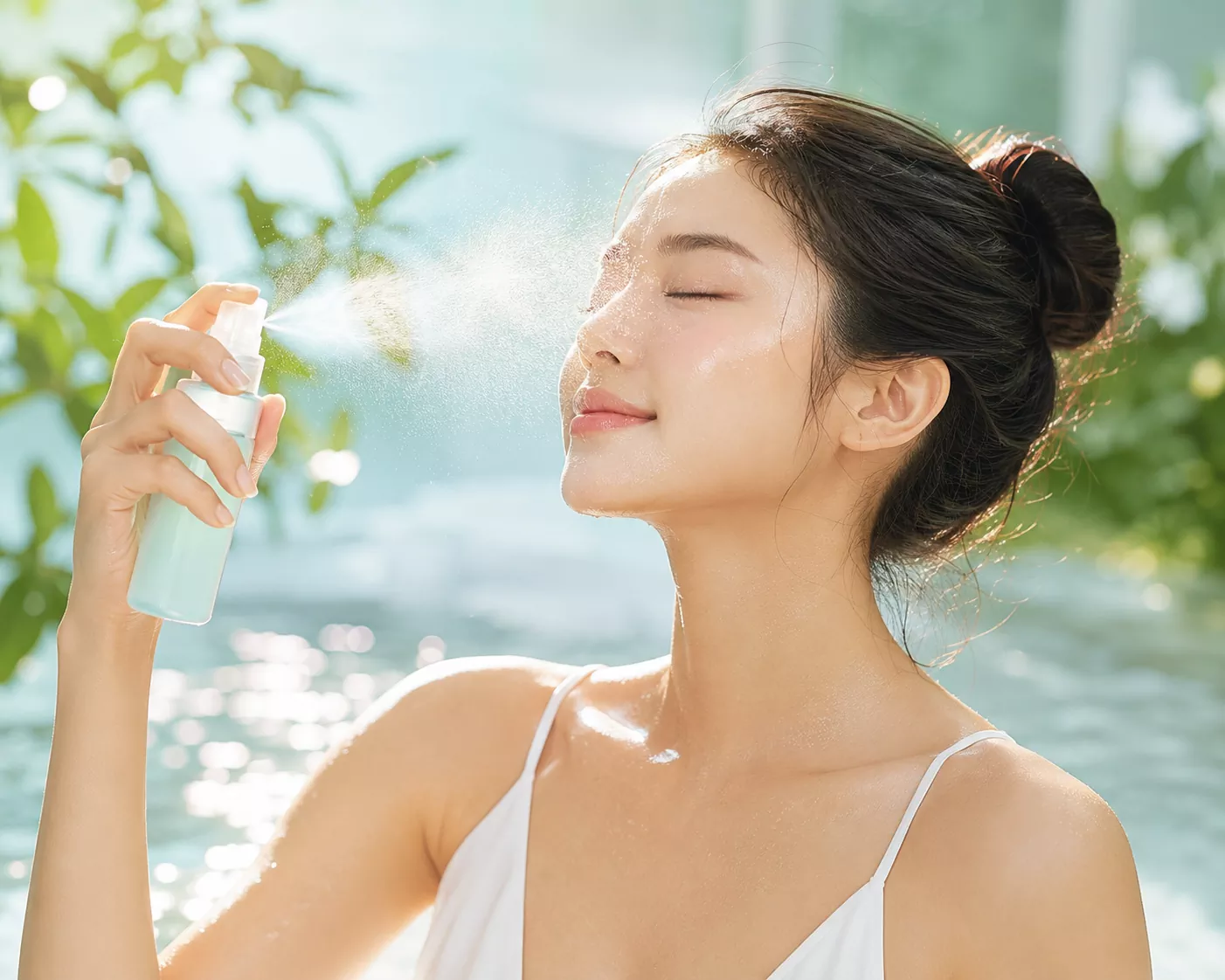
Do not wait until your face feels like an oven. Spray an alcohol-free cooling mist every hour while outdoors to prevent skin temperature from reaching the critical MMP activation threshold. Look for mists containing botanical anti-inflammatories like Green Tea, Licorice Root, or Centella Asiatica.
Caution: Avoid mists with high SD-alcohol or heavy synthetic fragrances, as evaporating alcohol can strip your natural moisture barrier and exacerbate heat sensitivity.
Step 2: Antioxidant Reinforcements
Because traditional UV filters do not fully block infrared heat waves, lightweight antioxidants are necessary to neutralize heat-induced reactive oxygen species (ROS). Apply a serum with Niacinamide or Ferulic Acid every morning to keep your moisture barrier resilient.
Step 3: Minimalist Barrier-First Layering
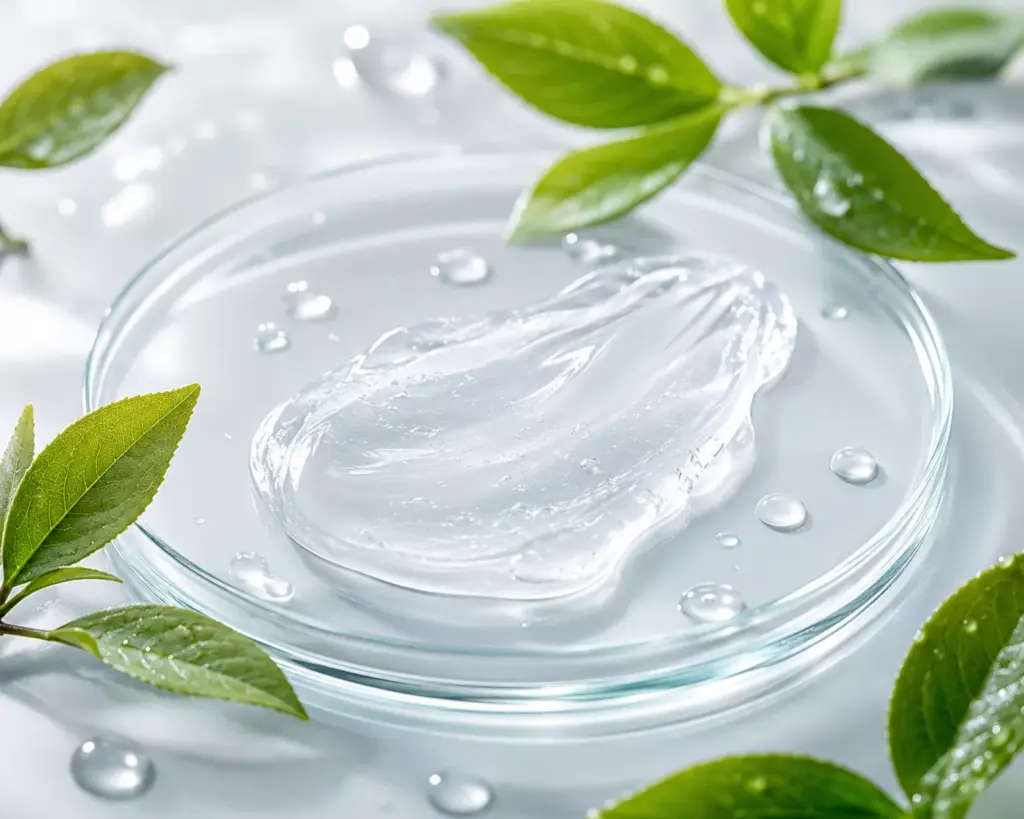
Heavy, occlusive creams trap thermal heat and sweat underneath, making inflammation worse. Switch to fast-absorbing water-gel formulas. If you want to dive deeper into restoring damaged lipids without clogging pores, check out our comprehensive K-beauty barrier repair guide.
4. Frequently Asked Questions (FAQ)
Q1. Is keeping all my skincare in the fridge safe during a heatwave?
Only store mists, toners, sheet masks, and aloe vera gel in the fridge. Highly concentrated active serums (like pure Vitamin C or Retinoids) and facial oils can separate or destabilize when subjected to extreme temperature changes.
Q2. Should I pause active ingredients like AHAs or Retinol during extreme heat?
If your face is actively red, stinging, or flushed from heat exposure, hold off on strong chemical exfoliants and retinoids for 2 to 3 days. Prioritize cooling hydration and lipid replenishment with Ceramides and Panthenol until your skin baseline normalizes.
5. Final Thoughts
Surviving an extreme summer heatwave without sacrificing your skin health requires a proactive approach. By following this heatwave skincare guide—prioritizing temperature regulation, antioxidant protection, and lightweight barrier repair—you can keep your skin calm, youthful, and healthy all summer long.
Disclaimer
This article is provided for informational and educational purposes only and does not constitute professional medical advice, diagnosis, or treatment. Always consult with a board-certified dermatologist or qualified healthcare provider regarding any specific skin condition or severe thermal irritation.