
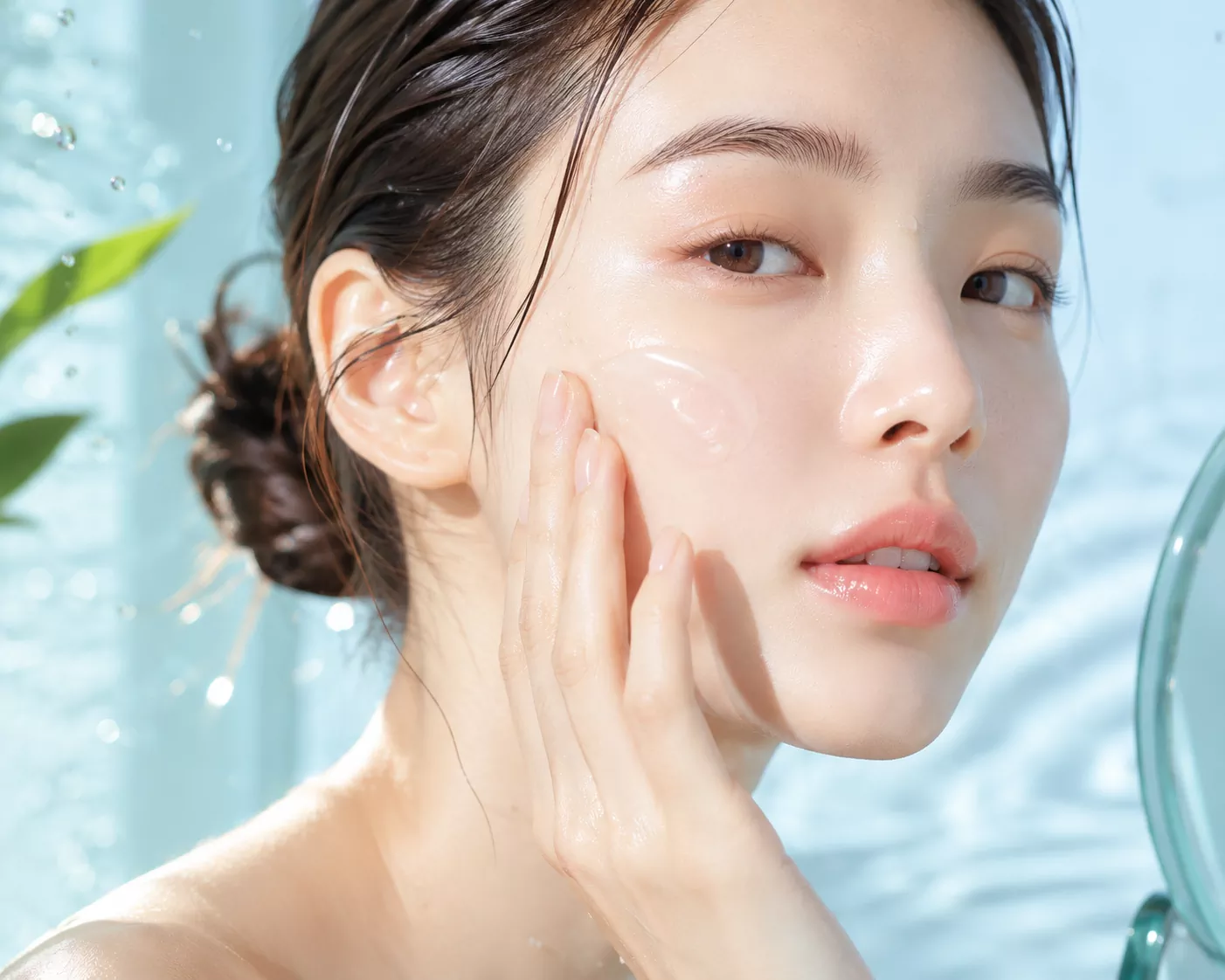
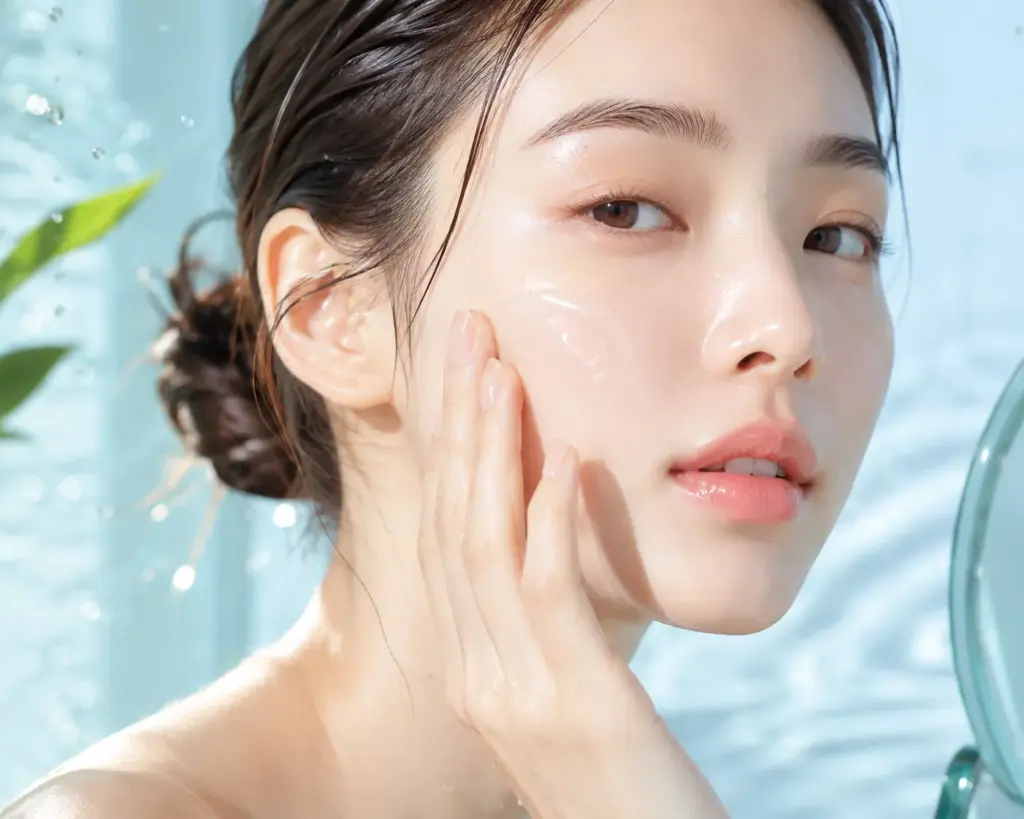
If you’ve been scrolling through TikTok or Skincare Reddit lately, you’ve almost certainly seen the viral term Skin Flooding. While many beauty trends are just flashy marketing gimmicks designed to sell unnecessary products, skin flooding is one technique that dermatologists and cosmetic formulation chemists actually back with solid skin science.
I first stumbled upon this method a couple of years ago during a frustrating skincare crisis. My face felt tight, itchy, and paper-dry on the inside, yet it looked like a greasy, shiny mess by noon. Every heavy moisturizer I tried only triggered painful clogged pores along my jawline, while lightweight gel creams evaporated into thin air within twenty minutes. My moisture barrier was crying out for help.
In this guide, we’ll break down the exact mechanism behind the skin flooding K-Beauty routine, why layering lightweight humectants on damp skin completely changes your hydration levels, and how to build a non-comedogenic protocol for that healthy, inner glass-skin bounce.
1. The Problem: Why Standard Heavy Moisturizers Fail Dehydrated Skin
When your skin is screaming for moisture, your immediate impulse is usually to slather on a rich, occlusive night cream. However, for most 2030s skin types—especially those prone to hormonal breakouts or clogged pores—this heavy approach almost always backfires.
Occlusive Trapping vs. True Water Delivery
Heavy creams are packed with occlusive agents like petrolatum, mineral oil, or heavy waxes. While occlusives excel at creating a protective seal over the skin, they do not actually add water. If your skin cells are already dehydrated underneath, sealing them with a thick lipid layer simply traps the dry state while suffocating your pores.
The Trans-Epidermal Moisture Barrier Wall
Without proper low-molecular-weight humectant delivery, water molecules sit on the surface of the stratum corneum rather than penetrating deeper epidermal layers. This surface liquid rapidly evaporates, causing trans-epidermal water loss (TEWL) and triggering your sebaceous glands to overproduce oil—leading directly to the dreaded dilemma of dehydrated oily skin.
2. Understanding the Science of Skin Flooding
To understand why the skin flooding K-Beauty routine is so effective, you have to understand how water absorption works in skin tissue.
Molecular Weight & Epidermal Absorption
Skin flooding relies on applying water-binding humectants (such as Hyaluronic Acid, Glycerin, and Beta-Glucan) to damp skin in a specific order—moving from the thinnest, lowest molecular weight formulas to slightly thicker ones.
Clinical research published on PubMed using Raman spectroscopy demonstrates that low-molecular-weight hyaluronic acid (20–300 kDa) penetrates the stratum corneum into deeper epidermal layers, whereas high-molecular-weight formulas stay on the surface, supporting the need for multi-molecular hydration layering.
3. Comparing Traditional Moisturizing vs. Skin Flooding
Understanding these key structural differences will help you adapt your daily hydration strategy without causing breakouts.
Key Differences: Traditional Moisturizing vs. Skin Flooding Strategy
- Application State: Traditional routines apply creams onto dry or towel-dried skin, whereas skin flooding applies products strictly onto damp, misted skin.
- Texture Focus: Traditional moisturizing relies heavily on rich oils and thick occlusives, while skin flooding utilizes micro-layers of watery mists and multi-weight gel serums.
- Hydration Source: Traditional creams rely on surface lipid barrier sealing, whereas skin flooding achieves deep cellular water retention via humectant bonding.
- Pore Congestion Risk: Traditional rich creams carry a moderate to high risk for acne-prone or combination skin, while skin flooding maintains an extremely low risk due to non-comedogenic formulations.
- Final Finish: Traditional creams leave a surface oil film, while skin flooding delivers a weightless, bouncy, inner glass-skin finish.
Pro-Tip for Skin Flooding: Never let your face dry out completely between routine steps. The core secret to “flooding” is applying your next serum or essence while your skin is still visibly damp from the previous hydrating step!
4. The Solution: A Science-Backed 4-Step Skin Flooding Routine
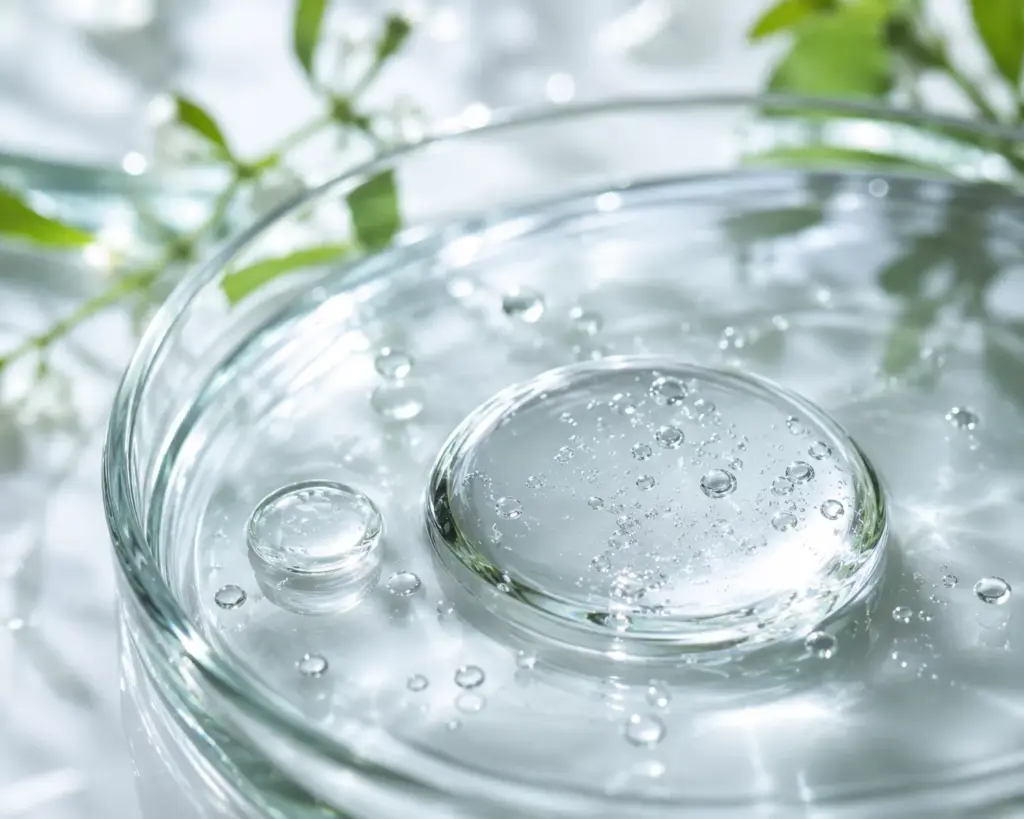
Here is the straightforward, non-comedogenic protocol designed to flood your skin cells with hydration while keeping your pores completely clear.
Step 1: Gentle, Low-pH Cleansing
Start with a mild, sulfate-free cleanser that respects your skin’s acid mantle. When rinsing, do not rub your face completely dry with a cotton towel. Leave a light, visible film of water droplets on your skin.
Step 2: The Base Hydration Mist
Spray a generous layer of an alcohol-free mist containing soothing botanical waters like Green Tea or Centella Asiatica. This creates the essential liquid reservoir that your upcoming humectants will grab onto.
Step 3: Multi-Layering Humectant Serums
Apply 2 to 3 drops of a multi-molecular Hyaluronic Acid or Beta-Glucan serum onto your damp skin. Gently press the serum into your face using your palms rather than rubbing. If your skin feels severely dehydrated, wait 10 seconds, mist lightly again, and apply a second thin layer.
Caution: While skin flooding is highly effective, limit your serum layering to 2–3 layers maximum. Over-saturating the skin (hyper-hydration) can temporarily weaken your natural barrier integrity.
Step 4: Lock It In with a Breathable Water-Gel
Seal all that trapped hydration with a light, oil-free water gel containing Ceramides, Panthenol, or Phytoceramides. This traps the “flooded” water inside your stratum corneum without clogging pores or leaving a heavy residue.
Who Should Be Cautious: If you are currently experiencing an active flare-up of fungal acne (Malassezia folliculitis) or open skin wounds, pause skin flooding until your skin barrier calms down, as continuous dampness can sometimes aggravate yeast-related skin issues.
5. Frequently Asked Questions (FAQ)
Q1. Can skin flooding trigger fungal acne or clogged pores?
Only if you use heavy, comedogenic oils during the final sealing step. As long as you stick strictly to water-based humectants (Glycerin, Beta-Glucan, Hyaluronic Acid) and lightweight, oil-free water gels, skin flooding is one of the safest routines for acne-prone skin.
Q2. Is skin flooding suitable during hot or humid summer weather?
Yes! In fact, skin flooding works exceptionally well in humid climates because humectants naturally pull ambient humidity from the surrounding air directly into your skin.
6. Final Thoughts
Adopting a skin flooding K-Beauty routine is a game-changer for anyone struggling with dehydrated, sensitive, or breakout-prone skin. By focusing on water-first layering over damp skin rather than heavy surface waxes, you effectively rebuild your skin’s internal moisture reservoir from the ground up.
Disclaimer
This article is provided for informational and educational purposes only and does not constitute professional medical advice, diagnosis, or treatment. Always consult with a board-certified dermatologist regarding specific skin conditions or persistent dehydration.