
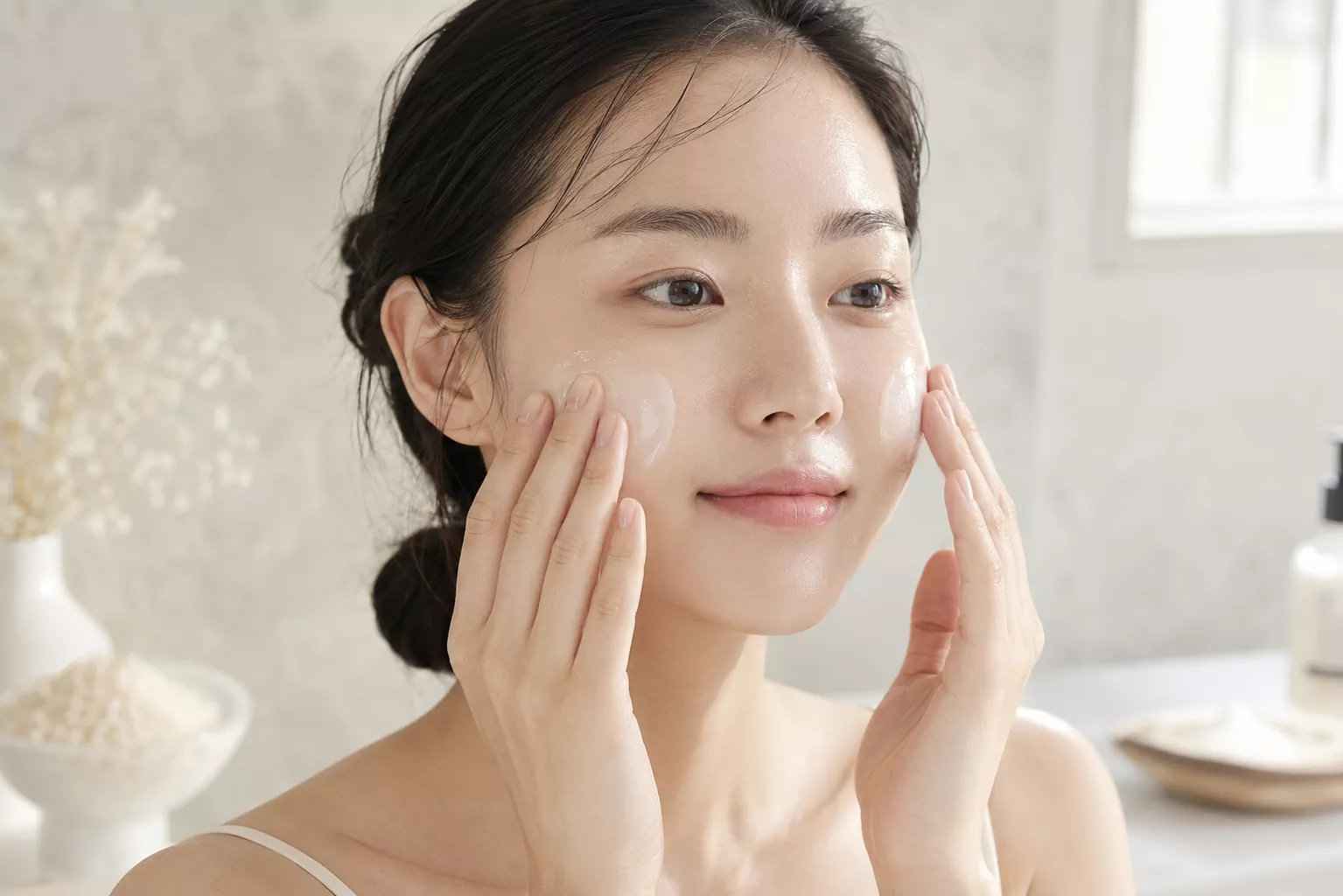
If you have scrolled through TikTok or Instagram lately, you have likely seen viral DIY rice water trends promising poreless, glass-like skin overnight. However, if you have tried soaking raw kitchen rice at home and splashing it onto your face, you might have ended up with sudden fungal acne, painful whiteheads, or an itchy, inflamed moisture barrier instead of a luminous glow.
I made this exact mistake two autumns ago. Eager to achieve that crystal-clear K-Beauty radiance, I fermented a bowl of uncooked white rice on my kitchen counter for two days and washed my face with it. Within 48 hours, my skin was covered in itchy, tiny red bumps along my forehead and cheeks. That terrible breakout taught me that unsterilized home fermentations carry raw starches and wild bacteria that feed yeast on your skin barrier, whereas true Korean rice formulations use refined, bio-fermented rice extracts to deliver pure radiance safely.
In this guide, we will break down the science behind a safe K-Beauty Rice Water Routine, why raw DIY rice water damages delicate skin, and how to execute a soothing 4-step regimen that brightens your complexion without clogging pores.
1. The Problem: Why DIY Homemade Rice Water Triggers Breakouts and Fungal Acne
While rice extracts are legendary in Asian skincare history, applying unrefined kitchen rice water creates severe risks for modern facial skin.
Uncontrolled Bacterial Fermentation & Fungal Flares
Leaving uncooked rice in water at room temperature invites wild bacteria and Malassezia yeast to multiply rapidly. Splashing this unsterilized liquid onto your face disrupts your resident microbiome, frequently triggering fungal acne (folliculitis) and itchy pustules.
Heavy Raw Starches and Pesticide Residues
Kitchen rice contains dense, unrefined starch molecules that sit heavily inside pore openings. Combined with potential arsenic or pesticide traces left on unwashed grains, raw rice water suffocates pores, causing micro-comedones and dull, irritated skin.
2. Understanding the Science: Fermented Rice Filtrates and Barrier Hydration
A clinical K-Beauty approach relies on sterilized, low-molecular-weight rice bran extracts rather than raw kitchen water.
Bio-Fermentation, Tyrosinase Inhibition, and Moisture Locking
Bio-fermented rice water produces concentrated gamma-oryzanol, ferulic acid, and essential amino acids. Clinical research published on PMC demonstrates that fermented rice extracts significantly inhibit tyrosinase activity (the enzyme responsible for dark spots) while boosting natural epidermal hydration. When combined with deep humectants like hyaluronic acid, rice nutrients penetrate deep into the stratum corneum without leaving a heavy, pore-clogging film.
3. Comparing DIY Kitchen Rice Water vs. Formulated K-Beauty Rice Water Routine
To help you understand why a lab-refined formula is vital for delicate skin, here is a breakdown comparing raw home brews with a barrier-safe K-Beauty method.
| Key Feature | DIY Kitchen Rice Water | K-Beauty Rice Water Routine |
| Processing Method | Unsterilized home soaking & fermentation | Micro-filtered, lab-sterilized bio-fermentation |
| Molecular Size | Large, heavy starch molecules | Low-molecular amino acids & fermented filtrates |
| Pore Safety | High risk of clogging and fungal acne | 100% non-comedogenic; lightweight absorption |
| Shelf Life | Spoils in 24-48 hours; harbors mold | Stable, pH-balanced, and preserved safely |
| Primary Benefit | Inconsistent; high risk of irritation | Even tone, faded dark spots, glass skin glow |
Pro-Tip for Brightening: Look for terms like “Oryza Sativa (Rice) Bran Water” or “Saccharomyces/Rice Fermentation Filtrate” on product ingredient lists rather than home-made mixes to ensure pure, sterile hydration.
4. The Solution: A Barrier-Safe 4-Step K-Beauty Rice Water Routine
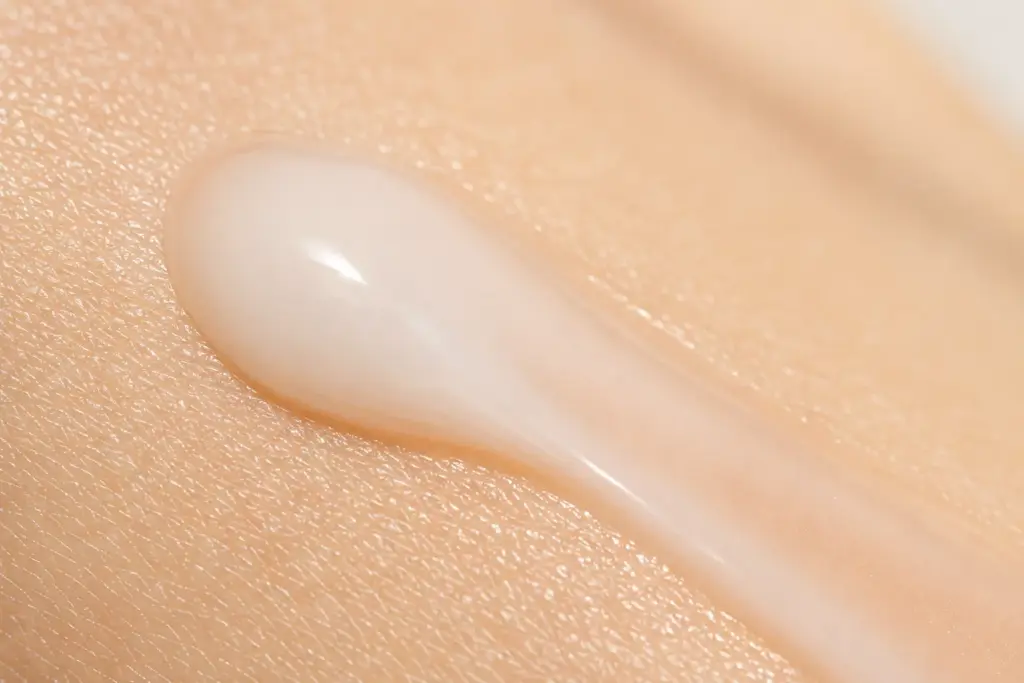
Here is the exact step-by-step method designed to brighten your complexion, fade post-acne marks, and preserve your moisture barrier safely.
Step 1: Gentle Double Cleansing
Start with a lightweight, emulsifying oil cleanser to dissolve makeup and sunscreen, followed by a gentle, low-pH hydrating cleanser. A clean canvas ensures rice nutrients absorb evenly without trapping surface impurities.
Step 2: Layer a Bio-Fermented Rice Toner
Pat 2 to 3 layers of a sterile, watery rice bran toner into clean skin. Always store bio-fermented rice toners in a cool, dry place away from direct sunlight to prevent active ingredients from oxidizing. Press gently with your palms instead of rubbing to encourage deep hydration without mechanical friction.
Step 3: Apply a Brightening Niacinamide or Rice Serum
Opt for smooth glass bottles and verified non-comedogenic formulas, and always check product labels for clean, stable active ingredients. Apply a serum that pairs rice bran extract with 2% to 5% niacinamide to target stubborn hyperpigmentation and uneven skin texture.
Step 4: Lock in Radiance with a Lightweight Barrier Cream
Seal everything in with a breathable ceramide or panthenol gel-cream. This traps humectants inside the skin while forming a protective shield against environmental pollutants.
Who Should Be Cautious: If you have an active yeast allergy or severe fungal acne flare-up, patch-test fermented products behind your ear for 24 hours before applying them to your face.
5. Frequently Asked Questions (FAQ)
Q1. Can I practice a K-Beauty Rice Water Routine every day?
A. Yes! Formulated, non-comedogenic rice toners and serums are gentle enough for daily morning and evening use, providing consistent hydration without over-stripping skin.
Q2. How long does it take to see brightening results from rice extracts?
A. With consistent daily application, most people notice improved skin translucency, smoother texture, and faded dark spots within 2 to 4 weeks.
6. Final Thoughts
Adopting a safe K-Beauty Rice Water Routine allows you to achieve luminous glass skin and an even tone without risking fungal breakouts or clogged pores from unsterilized DIY hacks. Prioritize lab-refined, pH-balanced formulas over raw kitchen rice for long-term barrier health and radiant results.
Disclaimer
This article is provided for informational and educational purposes only and does not constitute professional medical advice, diagnosis, or treatment. Always consult with a board-certified dermatologist regarding persistent skin conditions or active acne.