
Ever wondered why some K-Beauty moisturizers give you that effortless, translucent “glass skin” glow, while others leave your face feeling like a congested, greasy oil slick? When your skin barrier is compromised, choosing the wrong lipid profile can mean the difference between deep cellular healing and a stubborn, texture-ridden breakout.
If you are currently auditing your vanity to heal a reactive, red, or chronically dehydrated face, you are likely caught between two major ingredients dominating the Seoul skincare scene. This comprehensive Ceramide vs Phytoceramide K Beauty Guide will break down the molecular science, expose why your current barrier cream might be failing you, and help you choose the exact “skin glue” your unique complexion needs.
1. The Dehydration Paradox: Why Your Heavy Barrier Cream is Leaving You Flaky
The Problem
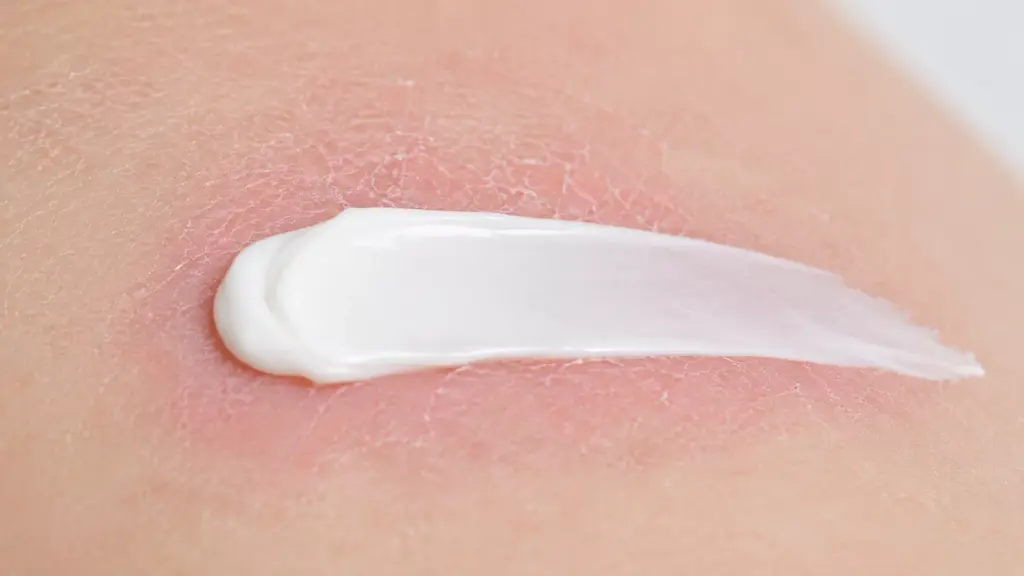
We have all been there. Your skin feels tight, red, and stings the second you apply even the gentlest hydrating toner. Naturally, you reach for the thickest, most hyped-up ceramide cream on social media. It feels soothing for exactly ten minutes—but a few hours later, the dry flakes return, hidden beneath a heavy, suffocating layer of product. Your skin is essentially starving under an expensive layer of cosmetic saran wrap.
The Explanation
This frustrating phenomenon is known as Transepidermal Water Loss (TEWL) occurring beneath an occlusive shield. Traditional barrier creams frequently rely on conventional, lab-synthesized ceramides. While these synthetic lipids are excellent at forming a temporary, artificial seal on the very surface of the stratum corneum, they often possess a rigid molecular structure.
According to a study published in the Journal of Investigative Dermatology, topical application of plant-derived sphingolipids significantly improves stratum corneum hydration and lipid alignment compared to synthetic pseudoceramides. If your skin’s natural pathway is inflamed, those larger, non-identical synthetic molecules struggle to penetrate the deeper intercellular matrices. Instead of repairing the cellular damage from within, they simply sit on top of your face, trapping heat and potentially congesting acne-prone skin types.
2. Decoding the Lipid Science: Why 2026 K-Beauty is Obsessed with Phytoceramides
The Shift to Bio-Identical Phytoceramides
To understand why your routine might need an upgrade, we have to look at how modern skin science has evolved. In 2026, the K-Beauty industry pivoted sharply away from heavy, generic fillers toward Skinimalism and bio-matching ingredients. This is where plant-derived lipids change the game.
Phytoceramides are plant-derived lipids extracted from nutrient-dense botanical sources like rice bran, wheat germ, and sweet potatoes. The reason they have become the absolute gold standard in Seoul’s top dermatological clinics comes down to bio-compatibility.
The Deep-Absorption Mechanism
Unlike synthetic variations, the molecular structure of a phytoceramide contains a phytosphingosine backbone that almost perfectly mimics the natural molecular architecture of human sebum and skin lipids.
When you apply a phytoceramide-infused formula, your skin doesn’t treat it as a foreign coating. Instead, it recognizes the plant lipid as “skin-identical,” allowing the formula to sink into the lipid bilayer rapidly without requiring heavy emulsifiers. This deep-level integration physically reinforces the intercellular matrix, rebuilding your defense system from the inside out to create that resilient, bouncy texture.
3. The Ultimate Ceramide vs Phytoceramide K Beauty Guide Comparison
To help you make an informed decision for your next K-Beauty haul, let’s look at how these two lipid types perform under different skin conditions and formulations.
Conventional Synthetic Ceramides
- Primary Source: Lab-synthesized (Petrochemical derivatives)
- Absorption Depth: Surface-level sealing (Stratum Corneum top layer)
- Texture and Finish: Thick, rich, often balmy or occlusive
- Best Skin Type: Severely cracked, windburned, or extreme winter skin
- 2026 K-Beauty Trend: Traditional “Cica” emergency salves
- Sustainability: Higher carbon footprint manufacturing
Phytoceramides (Plant-Based)
- Primary Source: Rice, Soy, Wheat, Sweet Potato
- Absorption Depth: Deep cellular penetration and matrix integration
- Texture and Finish: Lightweight, fluid, breathable “melt-in” texture
- Best Skin Type: Dehydrated-oily, highly sensitive, acne-prone
- 2026 K-Beauty Trend: Next-gen “Skin Streaming” and barrier mists
- Sustainability: Eco-conscious, upcycled botanical sourcing
This breakdown shows that if your skin is in a total “emergency” state (cracked and painful), synthetic versions provide an excellent temporary shield. However, for daily maintenance and deep healing, phytoceramides are the 2026 gold standard. For a practical look at how to incorporate these into a minimal routine, check out my internal resource, the 2026 K-Beauty Guide for Sensitive Skin.
4. The Golden Ratio: How to Audit Your INCI List for Maximum Healing
Finding the Right Delivery System
If you want to move past temporary fixes and truly heal your skin barrier, you cannot rely on a single ingredient alone. Peer-reviewed dermatological research proves that the skin barrier requires a highly specific environment to repair itself efficiently.
To accelerate lipid lamellar phase recovery, a topical formulation should ideally mimic the skin’s natural physiological lipid balance. This is known as the Golden Ratio of Barrier Repair: three parts Ceramides to one part Cholesterol to one part Free Fatty Acids.
When auditing your K-Beauty labels, make sure Phytosphingosine or Ceramide NP is listed within the top 5 to 7 ingredients on the INCI list. If it’s at the very bottom after Phenoxyethanol (the preservative), you’re paying for expensive water, not true barrier repair.
Key Ingredients to Look For:
- Phytosphingosine: A natural ceramide precursor that triggers your skin to produce its own lipids while offering anti-inflammatory benefits.
- Ceramide NP / Ceramide AP: Look for plant-derived versions of these specific chains, which are crucial for maintaining water-retention balance.
- Oryza Sativa (Rice) Bran Extract: A classic K-Beauty staple rich in natural phytoceramides, ferulic acid, and vitamin E to brighten while healing.
5. My Experience: Shifting from Occlusion to Cellular Synergy
As someone with classic oily-dehydrated skin, I spent years destroying my barrier by over-exfoliating with actives, only to over-compensate with thick, buttery ceramide balms. My skin stayed red, flaky around the nose, and developed tiny, frustrating texture bumps from the heavy mineral oils and synthetic waxes used to hold those traditional creams together.
The real turning point in my routine happened when I ditched the heavy textures and focused entirely on molecular compatibility. I switched out my heavy night cream for a lightweight, milky phytoceramide toner layered under a streamlined fluid emulsion.
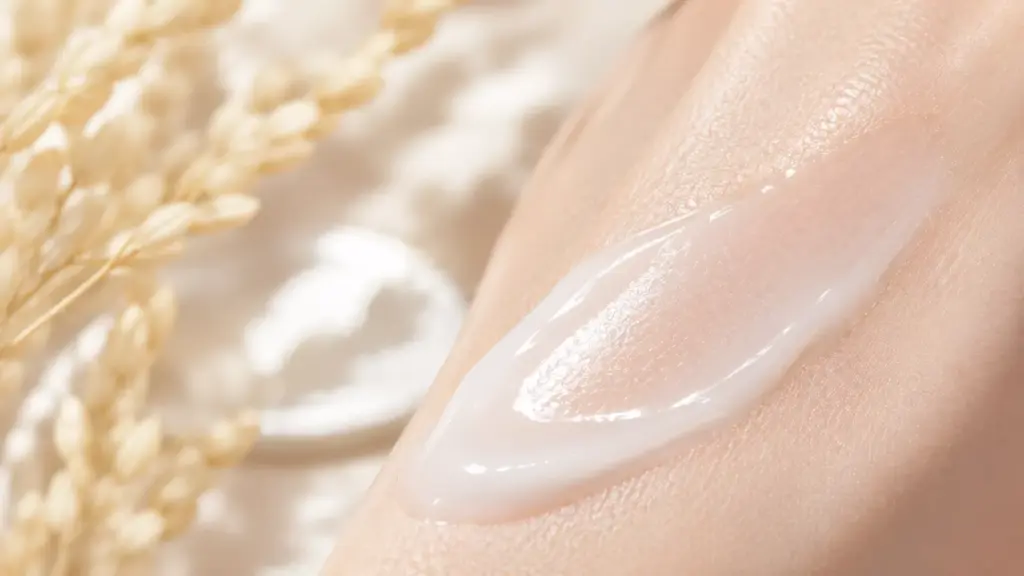
The phytoceramide milky toner didn’t just sit like a heavy, suffocating blanket on my skin; it literally felt like my thirsty pores were drinking it in, leaving a semi-matte, soft-touch finish that played beautifully under my morning sunscreen. Within two weeks of prioritizing bio-identical plant lipids, my chronic redness vanished and my skin stopped overproducing oil because it was finally hydrated at a deeper cellular level.
6. FAQ: Navigating Your Lipid Barrier Routine
Q: Can I use synthetic ceramides and phytoceramides together?
Yes, and for severely compromised skin, this combination is incredibly effective. You can apply a lightweight phytoceramide serum or essence to penetrate and repair the deeper layers, then seal it with a synthetic ceramide ointment to protect the skin from harsh, dry environments.
Q: Are phytoceramides safe for fungal acne and sensitive skin?
Generally, yes. Because phytoceramides mimic the skin’s natural composition, they are highly tolerated by ultra-sensitive skin. However, if you are prone to Malassezia folliculitis (fungal acne), ensure the product does not contain high amounts of unesterified free fatty acids that could trigger a flare-up. You can verify safe formulation profiles through the comprehensive ingredient safety databases hosted on the National Institutes of Health website.
7. The Bottom Line: Invest in Absorption, Not Marketing
When navigating the world of skincare, it is easy to get distracted by minimalist aesthetic packaging and viral social media claims. However, your skin is a dynamic, living organ that requires the correct biological building blocks to function at its best.
While synthetic options still hold a valuable place in short-term emergency care for cracked or windburned skin, investing in a plant-derived, bio-identical approach is the definitive choice for long-term health, resilience, and that sought-after, deep-lit K-Beauty glow. Turn your bottles over, audit your ingredients, and give your skin the exact match it has been waiting for.
Disclaimer: This guide is intended for educational and informational purposes based on current cosmetic chemistry and skincare research. If you are experiencing chronic dermatological conditions such as severe eczema, psoriasis, or cystic acne, please consult a board-certified dermatologist for a personalized medical treatment plan