
Shopping for a skincare product when you have a reactive complexion is basically the ultimate stress test for your face. If you struggle with sudden redness, stinging, or those annoying tiny texture bumps, you already know the vibe: a product promises a soothing, viral “glow-up,” but ten minutes later, your face is burning or breaking out.
I’ve been there myself—spending hundreds of dollars on highly recommended viral products only to realize that the culprit wasn’t my skin, but sneaky, hidden irritants masking themselves behind pretty packaging. For the modern 2030 woman dealing with urban pollution, blue light exposure, and hormonal flares, finding a formula that truly respects your skin biome is a non-negotiable step toward sustainable skin health.
1. The Heavy Occlusive Trap: Why Your Soothing Cream Flashes Red Flags
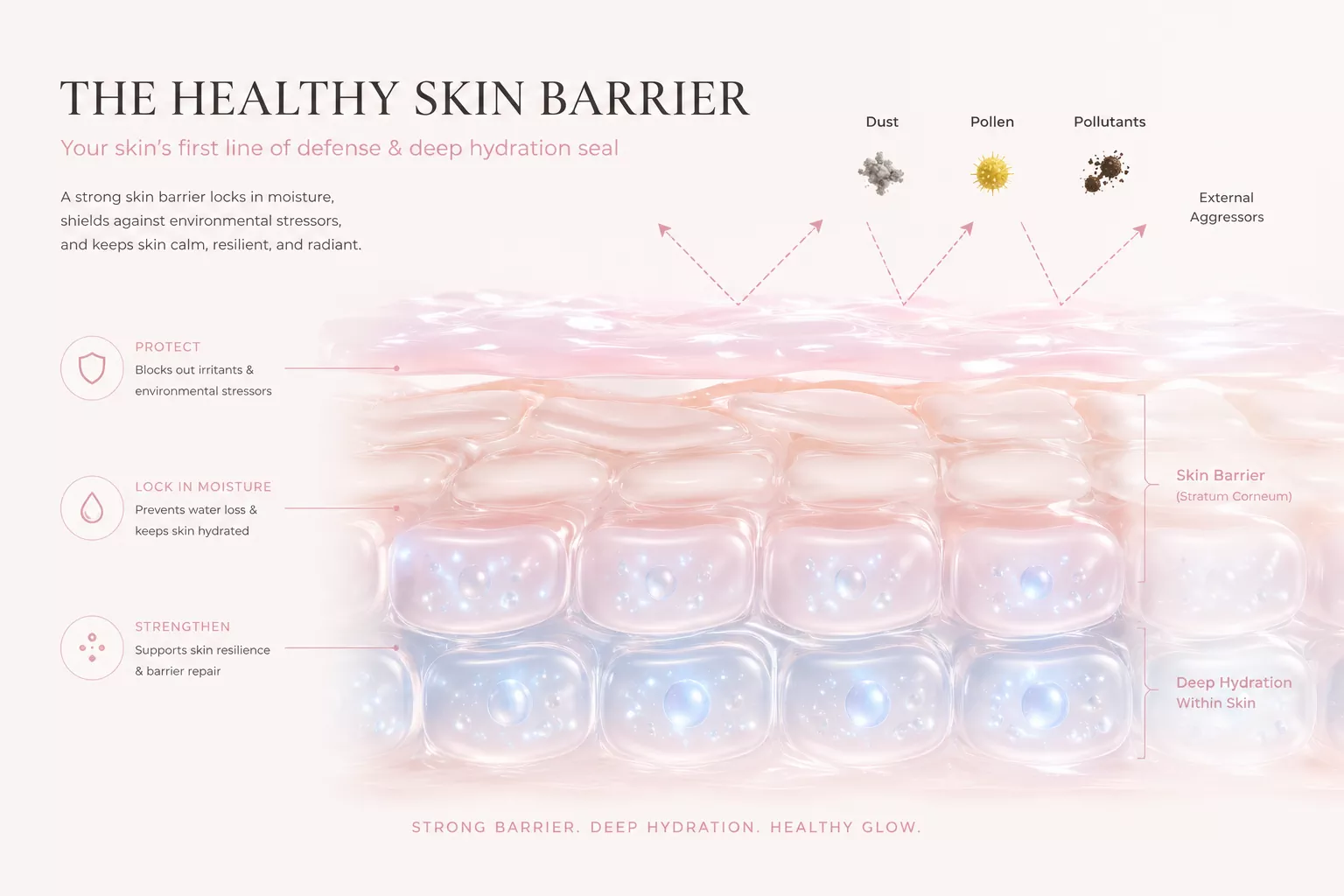
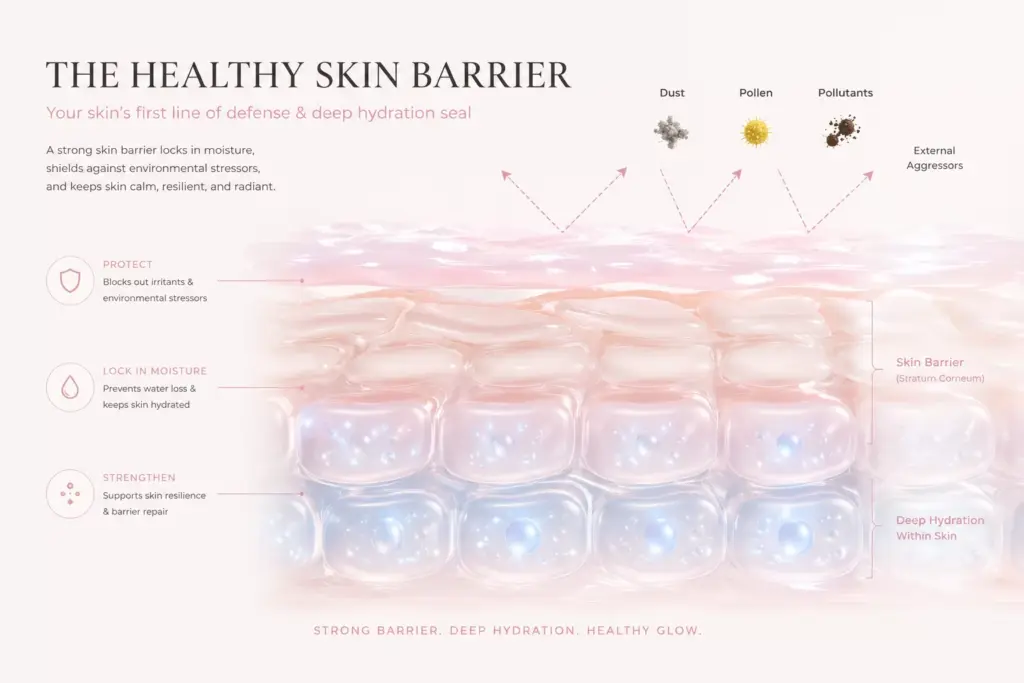
Many of us were conditioned to believe that if a cream is thick, heavy, and leaves a slug-like layer on the face, it must be repairing our skin. However, for those with a compromised skin barrier, suffocating the skin is the quickest way to trigger severe inflammation. Thick, petroleum-based or wax-heavy balms often trap heat, sweat, and bacteria against the skin matrix, exacerbating redness and leading to localized breakouts.
In my years of auditing cosmetic formulations and tracking barrier recovery cycles, I have discovered that the ultimate hidden traps are synthetic fragrances and essential oils like lavender or bergamot. Even if a bottle claims to be dermatologist-tested, these sneaky additions strip the natural lipids your stratum corneum needs to stay resilient. If your face feels tight, parched, and “thirsty” just an hour after moisturizing, your barrier isn’t being repaired—it’s simply being temporarily masked by a film of synthetic wax while the underlying irritation worsens.
2. The Ingredient Audit: The Technical Science Behind True Barrier Recovery
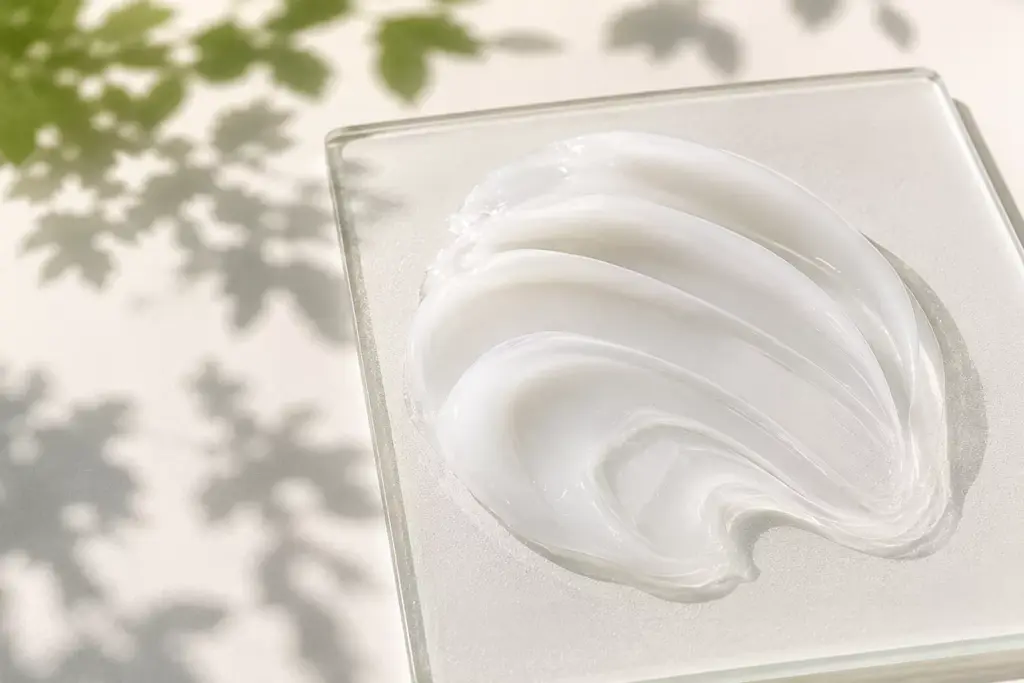
To stop the cycle of reactive flare-ups, choosing your daily hydration layer requires a strict “skintelligent” approach. A high-quality sensitive skin k beauty moisturizer should never rely on marketing fluff; instead, it must utilize bio-compatible humectants and lipids that mimic your skin’s natural architecture to accelerate cellular repair.
The Barrier Recovery Matrix
Panthenol (Vitamin B5)
- Primary Function: Deep cellular healing, anti-inflammatory, and micro-tear repair.
- Skin Biome Synergy: Converts into pantothenic acid upon absorption, rapidly knitting together microscopic cracks in the lipid barrier.
Squalane
- Primary Function: Weightless, bio-compatible emollient and sebum-mimic.
- Skin Biome Synergy: Locks in deep hydration without clogging pores, making it incredibly safe for both acne-prone and highly reactive skin types.
Madecassoside (Centella Asiatica Extract)
- Primary Function: Redness reduction and post-breakout recovery.
- Skin Biome Synergy: Suppresses the inflammatory response caused by environmental stressors and accelerates collagen synthesis.
Glycerin
- Primary Function: Fundamental humectant and moisture magnet.
- Skin Biome Synergy: Pulls water from the deeper dermal layers into the stratum corneum to eliminate the tight, “crepey” texture common in dehydrated oily skin.
According to a clinical study on lipid dynamics, squalane possesses an identical molecular blueprint to our skin’s natural lipids. This makes it the ultimate non-comedogenic emollient to look for when evaluating a formula. When combined with a high concentration of panthenol, the cream ceases to be just a standard moisturizer—it becomes a tactical patch that actively mends your skin’s defense system.
Through my formulation tracking, I’ve noted a golden rule for the dehydrated oily sub-category: if squalane or panthenol appears within the top five ingredients while heavy butter (like shea butter) is relegated to the absolute bottom, the product will deliver a weightless, gel-fluid texture that hydrates deeply without suffocating your pores.
3. The Formulation Strategy: Decoding Your Sensitive Skin K Beauty Moisturizer
When hunting for your next hydration savior, you must live by the “First-Five” rule. Because the first five ingredients on any cosmetic deck make up roughly 80% of the entire product volume, they tell the absolute truth about the formula’s quality rather than the marketing claims on the front of the bottle.
To ensure your routine is entirely optimized before adding your sealing layer, you can read my comprehensive K-Beauty Routine Guide for Sensitive Skin to properly prep your skin surface for maximum product absorption. Once your base is ready, utilize this strict auditing protocol:
The 3-Step “First-Five” Audit:
- Verify the Base Ingredient: Top-tier K-Beauty brands are moving away from plain water (aqua). Look for Centella Asiatica Leaf Water or Camellia Sinensis Leaf Extract as the absolute first ingredient for immediate, antioxidant-rich calming.
- Scan for Cellular Bio-Mimics: Ensure that Ceramide NP, Squalane, or Cholesterol appear in the top five. These molecules act as the literal mortar between your cellular bricks to halt Transepidermal Water Loss (TEWL).
- Cross-Reference the Irritant Checklist: Scroll to the very bottom of the ingredient deck and ensure there are zero instances of synthetic dyes, drying alcohols (like Alcohol Denat), or volatile essential oils.
For a globally recognized index of safe, non-irritating cosmetic components, you can cross-reference your products with the National Eczema Association Product Directory to guarantee your skincare journey remains completely risk-free and scientifically backed.
4. Troubleshooting Your Complexion: Essential FAQ
Q: Can I use this type of moisturizer if I struggle with fungal acne?
A: If you are prone to fungal acne (Malassezia folliculitis), you must ensure your cream is completely oil-free or strictly utilizes squalane. Traditional plant oils contain fatty acids that feed the acne-causing yeast, whereas squalane is completely safe and won’t trigger a breakout.
Q: How long does a damaged skin barrier take to fully heal?
A: While a high-quality soothing cream can noticeably reduce redness and burning within 48 hours, true cellular turnover and complete barrier restoration typically require 28 consecutive days of a clean, irritant-free routine.
5. Conclusion: Healing Over Hype
At the end of the day, calming a reactive complexion isn’t about chasing viral, over-hyped multi-step routines; it’s about returning to clean, barrier-first fundamentals. Your skin possesses an incredible, natural ability to repair itself—it simply needs the right, non-irritating tools to execute the job. Switch to a formula that respects your natural skin biome, drop the aggressive active ingredients temporarily, and give your complexion the peaceful, structural security it deserves.
Disclaimer: I am a dedicated skincare researcher and formulation enthusiast sharing my personal journey and technical analysis. This content is intended for educational and informational purposes only and does not substitute for professional medical advice. Always consult with a certified dermatologist if you are experiencing severe, chronic skin conditions.